KB5078135 (OS Build 26100.32236) Out-of-Band Update for Windows Server 2025 - January 24, 2026
Out-of-band cumulative update for Windows Server 2025, releasing build 26100.32236 on January 24, 2026, to fix cloud-storage file access failures introduced by the January 13 update.
Summary
This is an out-of-band cumulative update for Windows Server 2025, released via Microsoft Support on January 24, 2026, resulting in OS Build 26100.32236. It is cumulative, folding in all prior security fixes, and targets a specific file-system regression that caused application failures when accessing cloud-based storage after the January 13, 2026 security update.
Improvements and fixes
- This update incorporates all security fixes and quality improvements from the January 13, 2026 security update (KB5073379) and the out-of-band update released January 17, 2026 (KB5077793).
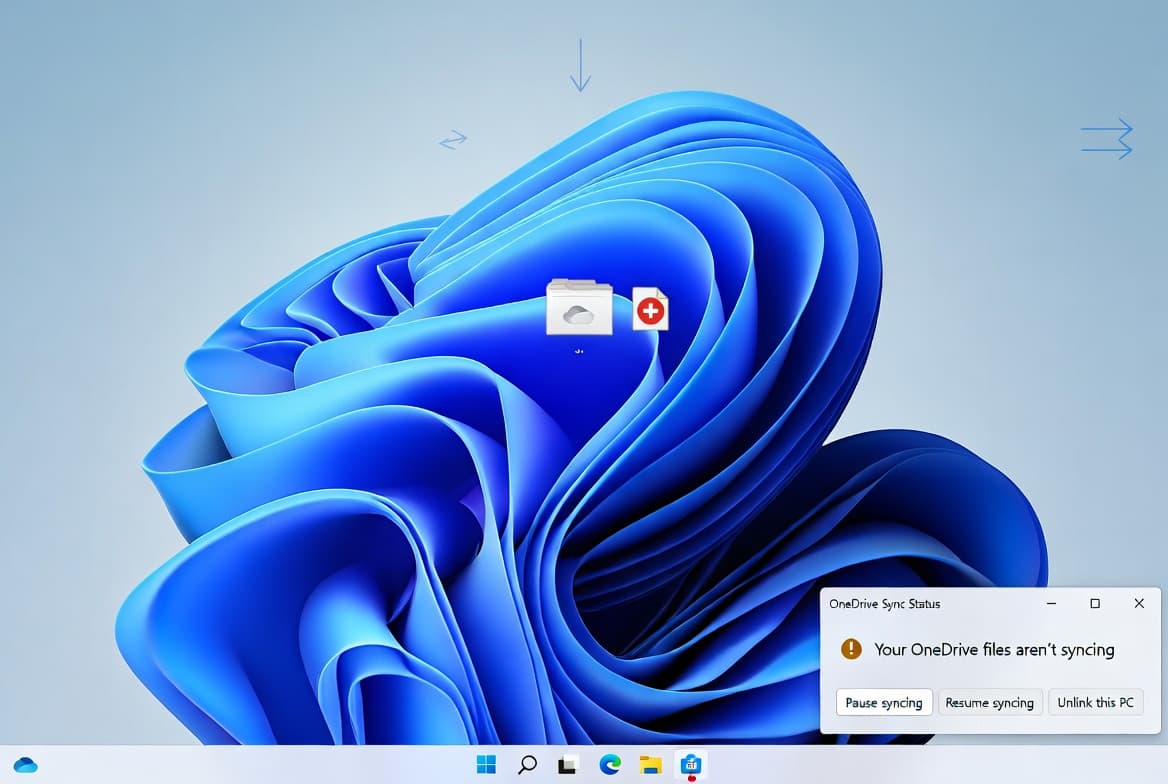
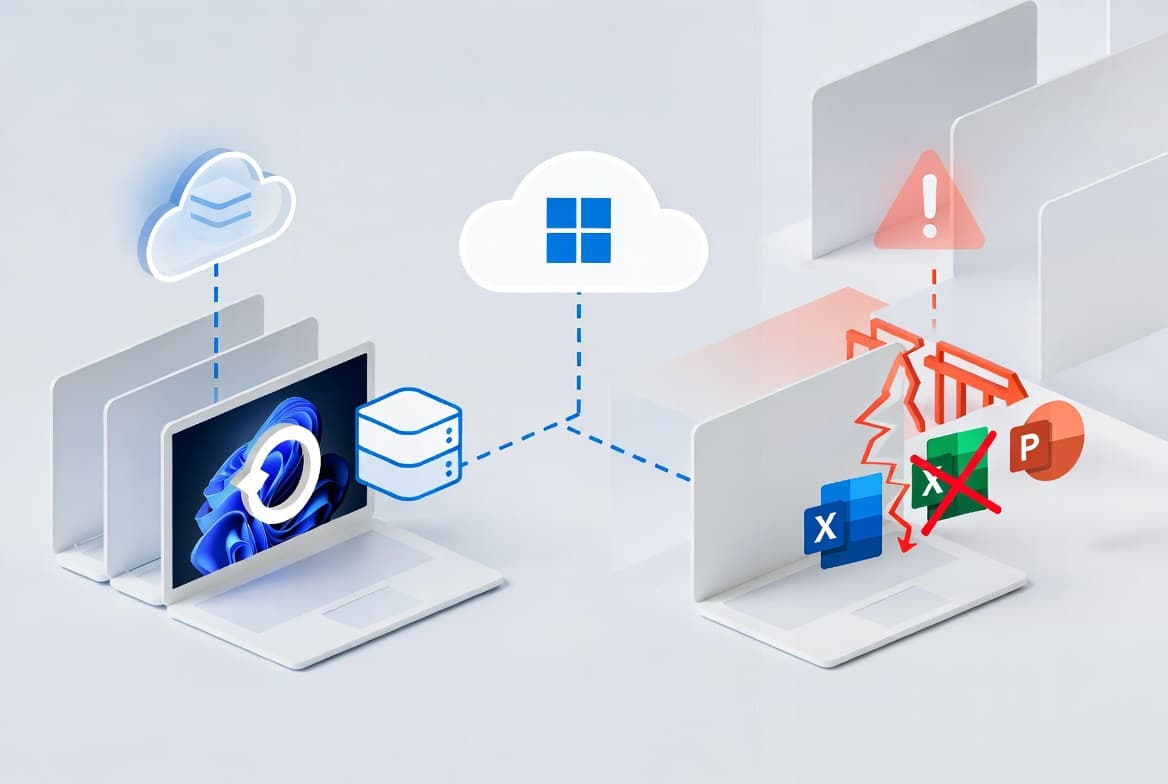
- Addresses a file-system bug introduced by updates released on or after January 13, 2026, where some applications became unresponsive or threw unexpected errors when opening or saving files to cloud-based storage services such as OneDrive or Dropbox.
- Resolves an Outlook-specific variation of the above issue: in configurations where PST files are stored on OneDrive, Outlook could hang and refuse to reopen without terminating the process or restarting the system.
- Fixes related Outlook data integrity symptoms, including missing sent items and previously downloaded emails being re-downloaded unnecessarily.
- Includes the Windows Server 2025 servicing stack update KB5072725 (version 26100.32131), which improves the reliability of the component responsible for installing Windows updates.
Known issues
WSUS does not display synchronization error details
Symptom: After installing KB5070881 or later updates, Windows Server Update Services (WSUS) does not display synchronization error details within its error reporting interface.
Workaround: Microsoft states this functionality was temporarily removed to address the Remote Code Execution Vulnerability CVE-2025-59287. No workaround is provided in the page text.
How to get this update
Microsoft combines the latest servicing stack update (SSU) with the latest cumulative update (LCU) in a single package, so no separate SSU installation step is required before applying this update.
Windows Update and Windows Update for Business: This update is available through normal Windows Update channels. Devices that already have earlier updates installed will download only the new components included in this package.
Windows Server Update Services (WSUS): Available through WSUS. Administrators should follow the Catalog option noted in the release channels table.
Microsoft Update Catalog: The standalone package can be downloaded directly from the Microsoft Update Catalog. This KB contains more than one MSU file that must be installed in a specific order.
- Method 1 - install all MSU files together: Download all MSU files for KB5078135 into a single folder and use DISM with the
/Add-Package /PackagePathparameter pointing to that folder. DISM will detect and install any prerequisite MSU files automatically. TheAdd-WindowsPackagePowerShell cmdlet or the Windows Update Standalone Installer can also be used. - Method 2 - install each MSU file individually in order: First install
windows11.0-kb5043080-x64_953449672073f8fb99badb4cc6d5d7849b9c83e8.msu, then installwindows11.0-kb5078135-x64_1f08f1e972e2ace02a570fd69031ebbc1d266ea1.msu.
Note: This cumulative update includes AI component updates; however, those components apply only to Windows Copilot+ PCs and will not install on standard Windows PCs or Windows Server machines.
To remove the LCU after installing the combined SSU and LCU package, use DISM /online /remove-package with the LCU package name. Running wusa.exe /uninstall against the combined package will not work because the SSU is bundled inside it, and the SSU cannot be removed after installation.
Frequently asked questions
Why was this update released out-of-band rather than waiting for the next Patch Tuesday?
Microsoft issued this fix outside the regular monthly schedule because the January 13, 2026 security update introduced a regression that caused applications to become unresponsive when working with files on cloud storage such as OneDrive and Dropbox. The severity of the user impact, including Outlook hangs and data re-download, justified an immediate out-of-band release rather than waiting until the next scheduled update cycle.
Does this update replace the January 13, 2026 security update, or must both be installed?
This update is cumulative. It includes all fixes from the January 13, 2026 security update (KB5073379) and the January 17, 2026 out-of-band update (KB5077793), plus the new file-system fix. Devices that already have earlier updates installed will only download the new components, so there is no need to install the earlier updates separately.
Do I need to install the servicing stack update separately before applying KB5078135?
No. Microsoft now bundles the latest servicing stack update (SSU KB5072725, version 26100.32131) directly inside this cumulative package. You do not need to stage a separate SSU installation. However, note that the SSU component cannot be removed after installation, so uninstalling the combined package via wusa.exe /uninstall is not supported.
Is WSUS affected by any issues introduced by this update?
Yes. After installing KB5070881 or later updates, WSUS loses the ability to display synchronization error details in its error reporting interface. Microsoft states this behavior was intentional, as the functionality was temporarily removed to mitigate the Remote Code Execution Vulnerability CVE-2025-59287. No workaround is documented on the page at this time.