security · jun 15, 2026 · 13:53 utc
Conti Ransomware Developer Pleads Guilty: Ukrainian Faces 20 Years in Prison
Oleksii Lytvynenko admitted to building malware loaders for Conti, which extorted over $150 million from victims across 47 U.S. states and 31 countries.
by Emanuel De Almeida

TL;DR
- Oleksii Oleksiyovych Lytvynenko, 44, pleaded guilty to conspiracy to commit wire fraud for his role developing malware loaders for the Conti ransomware gang.
- He faces up to 20 years in federal prison, with sentencing set for September 10, 2026.
- Conti ransomware infected over 1,000 systems across 47 U.S. states, 31 countries, the District of Columbia, and Puerto Rico.
- The FBI estimates Conti extorted more than $150 million in ransom payments from victims worldwide.
- Lytvynenko was arrested in Ireland in July 2023 and extradited to the United States in October 2025.
Who is Oleksii Lytvynenko and what did he do?
Lytvynenko served as a malware developer for one of the most destructive ransomware operations in recent history. According to the U.S. Department of Justice, the 44-year-old Ukrainian national admitted to joining the Conti conspiracy in September 2021. His specific role involved creating loaders, the malware components that deploy ransomware payloads onto compromised systems.
The technical work proved devastating. Lytvynenko admitted to possessing stolen data from eight U.S. victims and four overseas victims, according to BleepingComputer. His loader development enabled Conti operators to efficiently deploy encryption tools across victim networks, maximizing damage before detection.
How large was Conti's impact on global organizations?
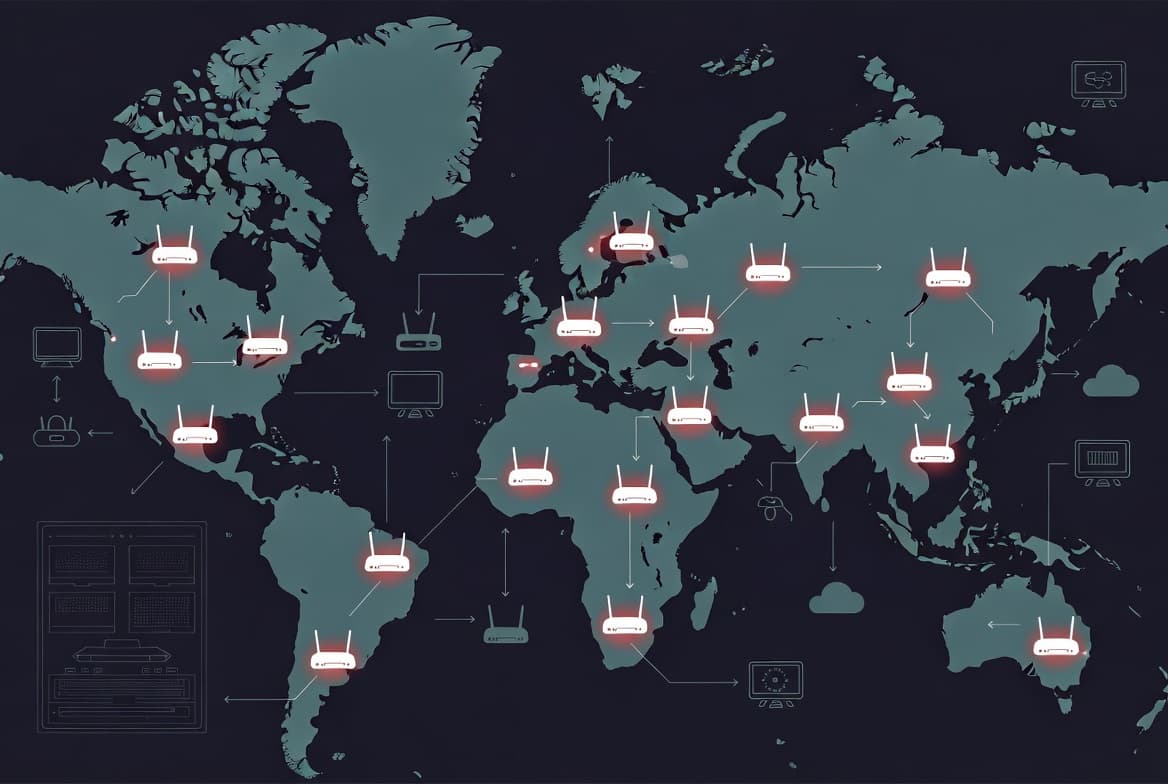
The numbers reveal staggering scale. Conti ransomware infected more than 1,000 computers and networks worldwide between 2020 and 2022, striking systems across 47 U.S. states, 31 countries, the District of Columbia, and Puerto Rico. The gang operated as a ransomware-as-a-service enterprise with specialized roles.
CyberScoop reports the FBI estimates Conti extorted more than $150 million in ransom payments. Victims included hospitals, municipalities, and private businesses. The gang's double-extortion model threatened data publication alongside encryption, pressuring organizations to pay.
CISA issued a joint advisory with the FBI and NSA documenting over 1,000 attacks against U.S. and international organizations. The advisory warned of Conti's ability to encrypt data rapidly and move laterally through networks.
How did law enforcement catch Lytvynenko?
International cooperation made the arrest possible. Irish authorities detained Lytvynenko in July 2023. The extradition process took over two years, with Lytvynenko finally arriving in the United States in October 2025. Such delays are common in complex cybercrime cases involving multiple jurisdictions.
The guilty plea represents a rare win. Ransomware developers typically operate from countries without U.S. extradition treaties. Lytvynenko's arrest in Ireland provided the legal pathway prosecutors needed. His case demonstrates that traveling outside safe harbors carries significant risk for cybercriminals.
What penalties does Lytvynenko face?
The maximum sentence is severe. Lytvynenko faces up to 20 years in federal prison for conspiracy to commit wire fraud. Sentencing is scheduled for September 10, 2026, giving prosecutors time to compile victim impact statements and calculate restitution amounts.
Wire fraud conspiracy carries this maximum because it encompasses the full scope of financial harm. Prosecutors will likely present evidence of the $150 million in total Conti extortion, though Lytvynenko's individual responsibility for that figure remains to be determined at sentencing.
What to do now
Organizations should use this case as a reminder to strengthen ransomware defenses:
- Review backup integrity by testing restoration procedures monthly and maintaining offline copies isolated from network access.
- Audit privileged accounts using
Get-ADGroupMember -Identity "Domain Admins"on Windows or equivalent queries to identify excessive permissions. - Enable PowerShell logging by setting
ScriptBlockLoggingandModuleLoggingto capture malicious loader activity. - Block known Conti indicators by checking current threat intelligence feeds and updating firewall rules accordingly.
- Implement network segmentation to limit lateral movement, particularly isolating backup systems and administrative workstations.
- Conduct tabletop exercises simulating ransomware scenarios to test incident response procedures and communication plans.
Frequently asked questions
What is a malware loader?
A loader is specialized software designed to deploy additional malicious payloads onto compromised systems. In ransomware operations, loaders bypass security controls and install encryption tools. Lytvynenko developed these components for Conti, enabling rapid deployment across victim networks before defenders could respond.
Is Conti still active?
Conti officially disbanded in May 2022 following internal leaks and geopolitical pressure after Russia invaded Ukraine. However, former members splintered into other ransomware operations including Royal, Black Basta, and others. The expertise and infrastructure live on under different names.
Why did extradition take so long?
Extradition processes involve multiple legal reviews in both the requesting and detaining countries. Courts must verify charges, review evidence, and ensure human rights protections. The two-year timeline from Lytvynenko's July 2023 arrest to his October 2025 extradition reflects standard procedural requirements for complex cybercrime cases.
How can organizations report ransomware attacks?
Victims should report incidents to the FBI's Internet Crime Complaint Center at ic3.gov and contact CISA at report@cisa.gov. Early reporting helps law enforcement track criminal groups and may provide access to decryption tools or recovery assistance. Do not pay ransoms without consulting law enforcement first.
source: www.anavem.com