November 11 2025 Hotpatch KB5068966 - OS Builds 26200.7092 and 26100.7092
Hotpatch KB5068966 delivers miscellaneous security improvements to internal OS functionality for Windows 11 Enterprise LTSC 2024, releasing November 11, 2025.
Summary
This is a hotpatch security update for Windows 11 Enterprise LTSC 2024, released on November 11, 2025, targeting OS Builds 26200.7092 and 26100.7092. It delivers miscellaneous security improvements to internal OS functionality and is available through Windows Update, Microsoft Update Catalog, and Server Update Services. See the full details on Microsoft Support.
Improvements and fixes
- This update applies miscellaneous security improvements to internal OS functionality. Microsoft documented no additional issues or specific fixes beyond this for the release.
Known issues
Hotpatch reoffered after Windows Update
Symptom: After installing the November 2025 Hotpatch update (KB5068966) on Windows 11, version 25H2, Windows Update may download and install the update again when it scans for updates. This does not affect functionality - the only visible effect is that update history reflects the latest installation time.
Workaround: This issue is addressed in KB5072753.
How to get this update
Microsoft bundles the latest servicing stack update (SSU) for your operating system together with the hotpatch update. When using Windows Update, the SSU installs automatically alongside this update. File information for the SSU (KB5067035) is listed at version 26100.7010. The update is available through the following channels:
- Windows Update and Microsoft Update - downloads and installs automatically.
- Microsoft Update Catalog - available as an alternative option.
- Server Update Services (WSUS) - available as an alternative option.
Arm64 prerequisites
Hotpatch is now generally available for Windows 11, version 25H2 and 24H2 on Arm64 devices. To qualify, devices must meet all of the following requirements:
- Windows 11 Enterprise, version 25H2 or 24H2 (Build 26100.4929 or later) with the current baseline update installed.
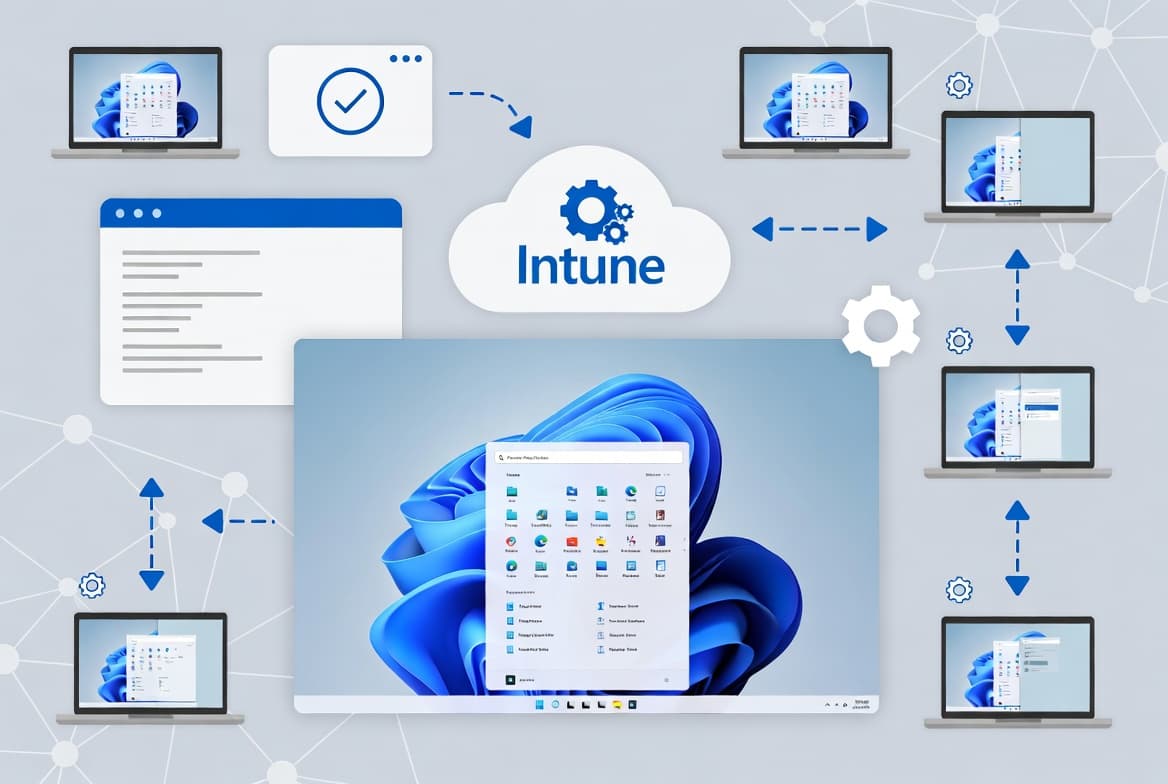
- Microsoft Intune with a Hotpatch-enabled Windows quality update policy.
- An eligible license: Windows 11 Enterprise E3 or E5, Microsoft 365 F3, Windows 11 Education A3 or A5, Microsoft 365 Business Premium, or Windows 365 Enterprise.
- Virtualization-based security (VBS) enabled.
- Compiled Hybrid PE (CHPE) disabled.
To disable CHPE, administrators can either apply the DisableCHPE policy via Intune or Group Policy using the CSP path ./Device/Vendor/MSFT/Policy/Config/Hotpatch/DisableCHPE = 1, or set the registry key HKLM\SYSTEM\CurrentControlSet\Control\Session Manager\Memory Management\HotPatchRestrictions to 1. A single device restart is required after either method. Devices must then be enrolled in a quality update policy through the Microsoft Intune admin center under Devices - Windows updates - Quality updates, with the "When available, apply without restarting the device" option set to Allow.
Frequently asked questions
What does this hotpatch actually fix?
Microsoft states this update makes miscellaneous security improvements to internal OS functionality. No additional specific issues or fixes were documented for this release beyond that general description. It applies to both x64 and Arm64 architectures running Windows 11 Enterprise LTSC 2024 at OS Builds 26200.7092 and 26100.7092.
Why does Windows Update keep reinstalling KB5068966?
A known issue exists where Windows Update may re-download and re-install KB5068966 on Windows 11, version 25H2 devices after each scan. Microsoft confirms this does not affect device functionality - only the timestamp in update history changes. The fix for this behavior is included in KB5072753.
Does this update require a device restart?
Hotpatch updates are designed to apply security fixes without requiring a device restart, which is a core benefit of the hotpatch delivery model. The SSU bundled with this release installs automatically when using Windows Update. Arm64 devices being prepared for hotpatch enrollment do require one restart after disabling CHPE, but that is a one-time setup step.
What should IT admins know about Secure Boot certificate expiration?
Microsoft has flagged that Secure Boot certificates used by most Windows devices are set to expire starting in June 2026. Microsoft has been pushing updated certificates to consumer and non-managed business devices. Devices without the newer certificates will continue to start normally and receive standard updates. IT administrators should review the Secure Boot Playbook for Windows clients and Windows Server for managed environment guidance.