KB5079391: Windows 11 Preview Update - OS Builds 26200.8116 and 26100.8116 (March 26, 2026)
Optional non-security preview update for Windows 11 versions 24H2 and 25H2, released March 26, 2026. No longer offered to new devices; superseded by KB5086672.
Summary
This optional non-security preview update for Windows 11 versions 24H2 and 25H2, released by Microsoft Support on March 26, 2026, brings production-quality improvements to OS Builds 26200.8116 and 26100.8116. This update is no longer offered to new devices due to an installation issue; it has been superseded by KB5086672.
Highlights
- Narrator now works with Copilot on all Windows 11 devices, and provides on-device rich image descriptions on Copilot+ PCs via Narrator key + Ctrl + D (focused image) or Narrator key + Ctrl + S (full screen).
- Smart App Control can now be turned on or off without requiring a clean install, via Settings > Windows Security > App & Browser Control > Smart App Control settings.
- Microsoft 365 Family subscribers can upgrade to a different Microsoft 365 plan directly from Settings > Accounts.
- The Pen settings page adds a "Same as Copilot key" option for the pen tail button.
- The Settings About page has been redesigned for clearer device specifications and easier navigation.
- File Explorer improvements include more reliable file unblocking for internet-downloaded files, Voice Typing support when renaming files, and the ability to sort permissions entries in the Advanced Security Settings window by Principal.
- Display updates include support for refresh rates above 1000 Hz, improved USB4 monitor power savings during sleep, and better auto rotation and HDR reliability.
Improvements and fixes
- Application Control for Business: The system now more accurately identifies which apps should receive Application ID tags, and tagging behavior is more consistent in Application Control for Business policies.
- Narrator: Natural Voices experience in Narrator has been improved, and the Natural Voices setup process is more reliable.
- Performance and Reliability: Stability in Windows Recovery Environment (Windows RE) when running x64 apps on ARM64 devices has been improved, so those apps run more smoothly and respond as expected.
- Windows Update Deployment (known issue fix): An issue in Windows 11 version 25H2 where updates installed via the Windows Update Standalone Installer (WUSA) might fail with error code ERROR_BAD_PATHNAME - triggered by double-clicking a .msu file or running WUSA from a network share containing multiple .msu files - has been addressed.
- Settings reliability: Opening the Settings Home page is more reliable and performant, and downloading required updates when prompted in Settings > System > Advanced is more reliable.
- Start menu: Applying a Start menu layout through Group Policy when desktopAppLink is present in the JSON is now more reliable.
- Remote Desktop: The Set-RDSessionCollectionConfiguration PowerShell command now recognizes the DisableSeamlessLanguageBar parameter.
- Audio: Handling of short MIDI messages in applications initialized without long message buffers has been improved.
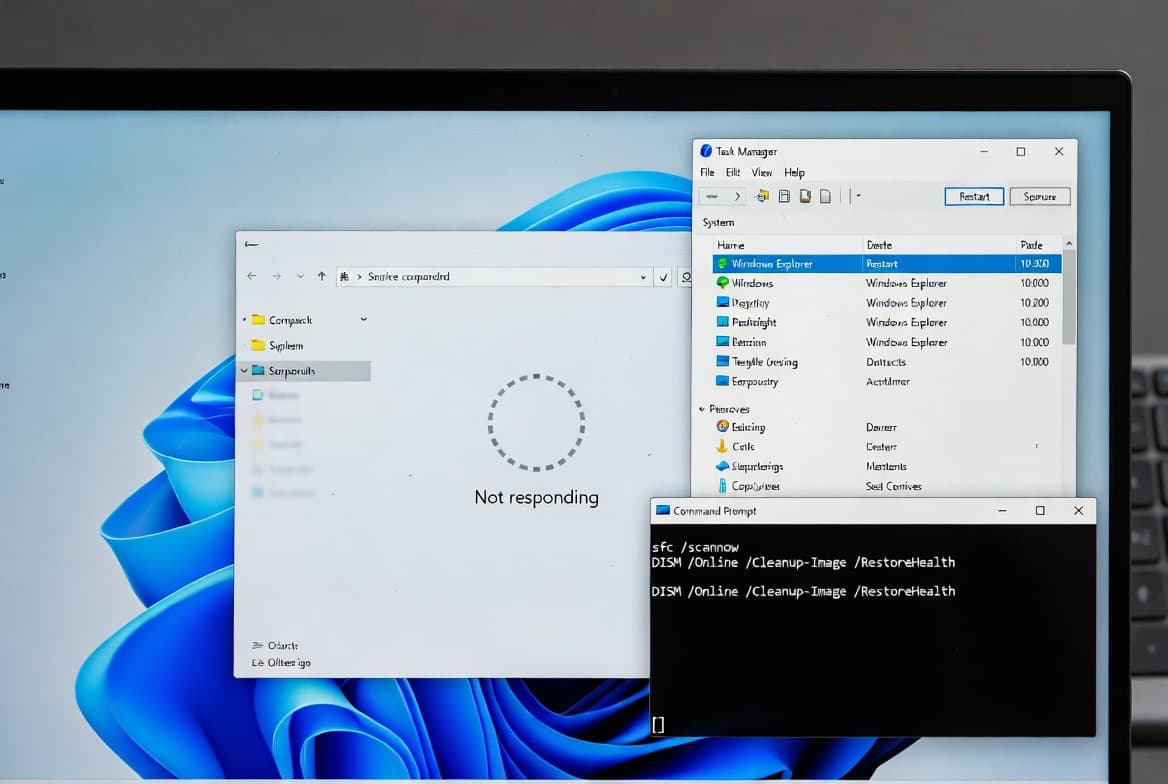
- System File Checker: An extraneous error message that could appear unexpectedly when running sfc /scannow has been removed.
- Windows Hello: Fingerprint reliability for certain devices has been improved.
- Safe mode: Loading taskbar components in safe mode is more reliable.
- Voice Access: Detection and formatting of numbers when using Voice Access in English has been improved.
- Printing: Downlevel baseline support for printer connections has been updated to Windows 10 version 1607 and Windows Server 2016 (Build 14393).
- Display: Monitors using DisplayID now report a more accurate physical size when queried via WMI monitor APIs.
- AI components updated: Image Search, Content Extraction, Semantic Analysis, and Settings Model all updated to version 1.2603.377.0.
- Servicing stack update KB5079387 (build 26100.8112) is bundled, improving the reliability and quality of the servicing stack component.
Known issues
Installation of this update might fail with error 0x80073712
Symptom: Some devices might encounter the following error while installing this update: "Some update files are missing or have problems. We'll try to download the update again later. Error code: (0x80073712)"
Workaround: This issue is addressed in KB5086672.
How to get this update
Note: This update is no longer being offered to new devices. The installation issue it introduced has been resolved in the March 31, 2026 out-of-band update KB5086672 (OS Builds 26200.8117 and 26100.8117), which includes all improvements from this update plus the fix.
Microsoft combines the latest servicing stack update (SSU) with the latest cumulative update (LCU), so no separate SSU installation is required before applying this package.
- Windows Update (Optional updates): Go to Start > Settings > Windows Update > Advanced options > Optional updates, then select the available update and install.
- Windows Update for Business: These changes will appear in the next security update to Windows Update for Business.
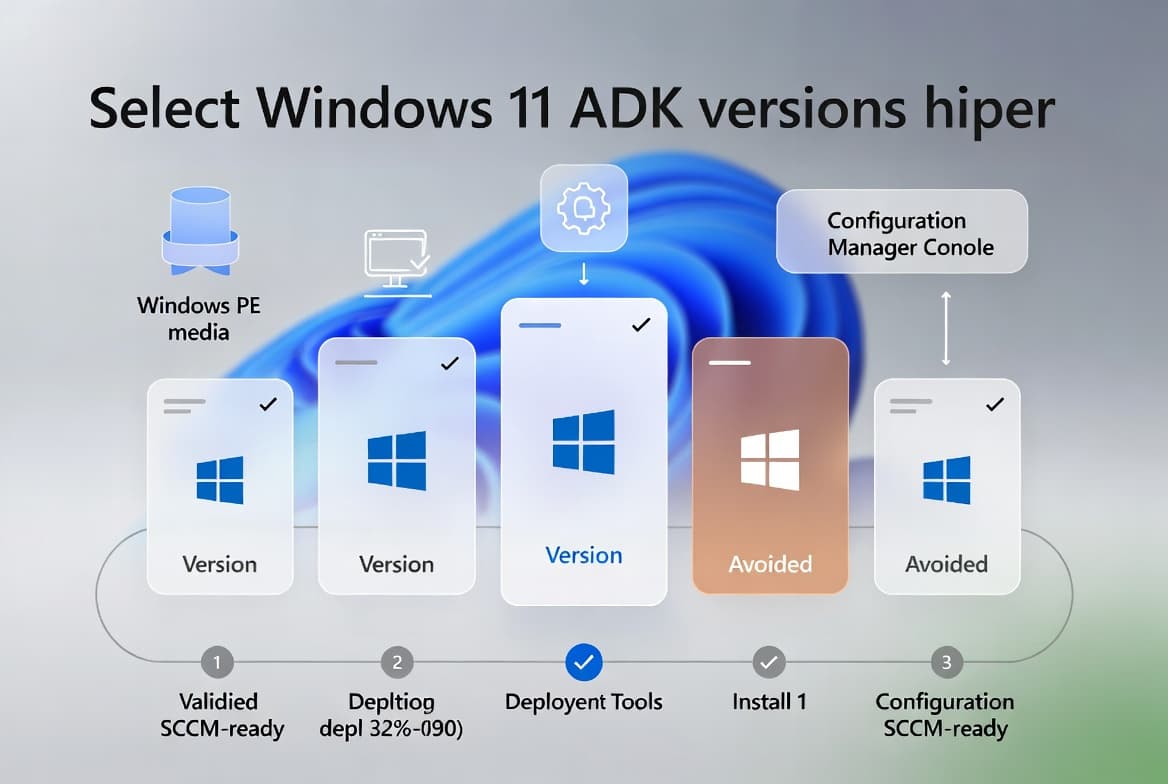
- Microsoft Update Catalog: Download the package matching your device architecture (arm64 or x64). For arm64 devices, packages can be installed using DISM or Windows Update Standalone Installer, either by placing all MSU files in a single folder and running a single DISM command (Method 1), or by installing each MSU individually in the specified order (Method 2). The prerequisite MSU for arm64 installs is windows11.0-kb5043080-arm64, followed by the main KB5079391 arm64 package.
- WSUS (Server Update Services): This optional update is not delivered directly via WSUS in the standard way; the changes will be incorporated into the next security release.
Frequently asked questions
Should I still install KB5079391, or wait for KB5086672?
Microsoft has stopped offering KB5079391 to new devices because of an installation issue discovered after release. The replacement update, KB5086672 (OS Builds 26200.8117 and 26100.8117), was released on March 31, 2026, and contains every improvement from KB5079391 plus a fix for the installation failure. Deploying KB5086672 is the recommended path.
What happens to devices that already successfully installed KB5079391?
The page does not state that successfully installed devices need to take remediation action beyond noting that KB5086672 resolves the error 0x80073712 installation issue. Devices that installed KB5079391 without error received all the same improvements that KB5086672 delivers.
What is the Secure Boot certificate expiration notice about?
Microsoft notes that Secure Boot certificates used by most Windows devices are set to expire starting in June 2026. Consumer and non-managed business devices have been receiving updated certificates via Windows Update over recent months. Devices that have not yet received the newer certificates will continue to start and operate normally, and standard Windows updates will continue to install. IT administrators should follow the Secure Boot Playbook for Windows clients and Windows Server.
Does this update apply to Windows Server or only Windows 11 PCs?
According to the Applies To field, this update applies to Windows 11 version 25H2 (all editions) and Windows 11 version 24H2 (all editions) only. The page notes that AI component updates bundled in this package are applicable only to Windows Copilot+ PCs and will not install on standard Windows PCs or Windows Server.