KB5095091 - Windows 11 Version 26H1 Preview Update (OS Build 28000.2340)
Optional preview cumulative update for Windows 11 version 26H1, released June 23, 2026, delivering quality improvements, new features, and bug fixes at OS build 28000.2340.
Summary
This is an optional preview cumulative update for Windows 11, version 26H1, released on June 23, 2026, at OS Build 28000.2340. Identified as KB5095091, it is a non-security quality update that delivers production-quality improvements, new features, and targeted bug fixes. It is available via Windows Update as an optional install. Source: Microsoft Support.
Highlights
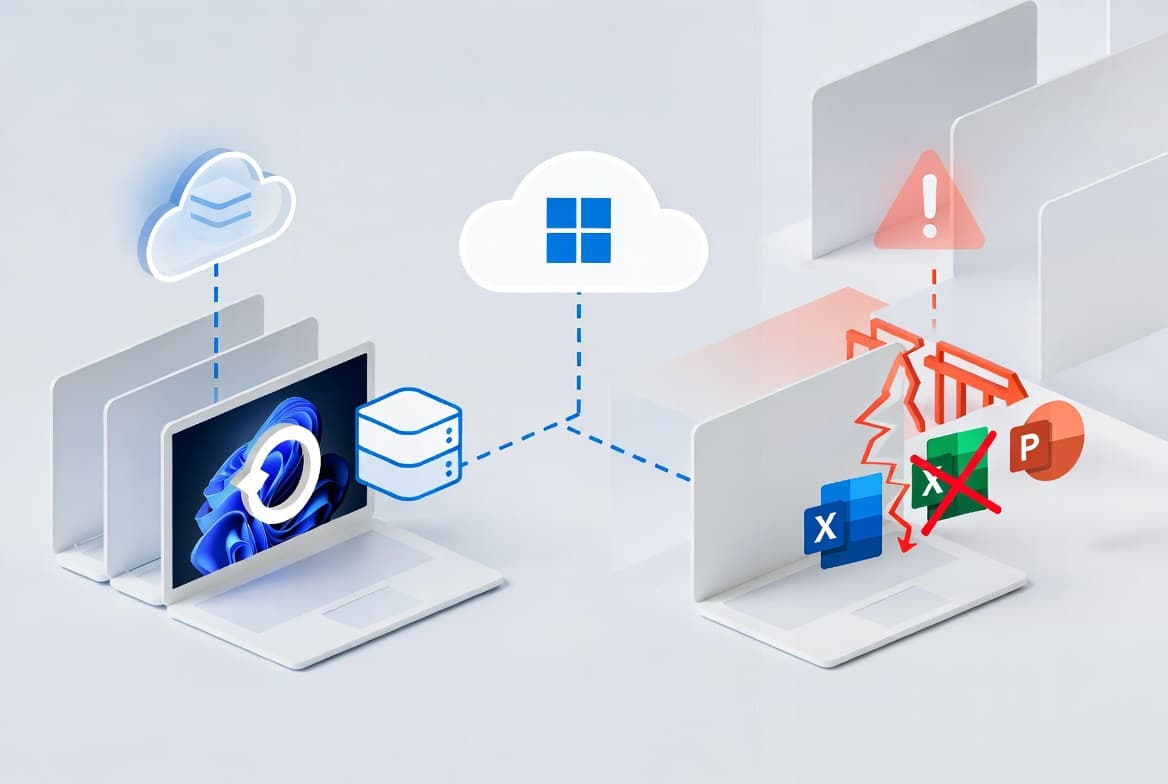
- Point-in-time restore for Windows is a new flexible recovery feature that lets you roll back your PC - including apps, settings, and personal files - to a recent automatic restore point, reducing downtime and simplifying troubleshooting.
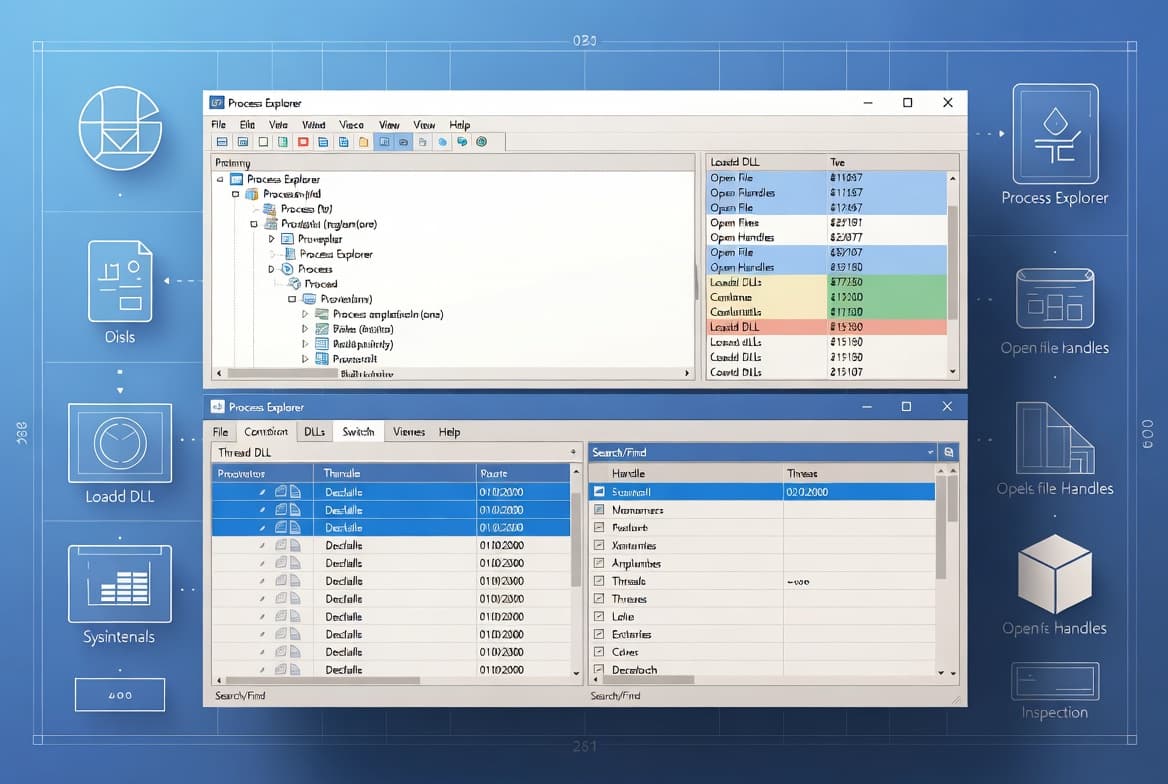
- Task Manager gains new NPU and NPU Engine columns on the Processes, Users, and Details pages, plus NPU Dedicated Memory and NPU Shared Memory columns on the Details page, and a new optional Isolation column showing which apps run in an AppContainer.
- Multi-App Camera mode now allows multiple applications to access the camera stream simultaneously, and enterprise admins can enforce Multi-App Camera mode or Basic Camera mode via Group Policy.
- Windows Setup now lets you choose a custom user folder name during the Device Name page of setup.
- Magnifier now delivers clearer screen reader announcements during zoom, view switching, and color inversion changes, and supports magnification of permitted protected content.
- Windows Search Box now finds and prioritizes files with as few as two characters entered.
- Times New Roman font family is updated to improve rendering of combining diacritical marks in Greek and Cyrillic scripts.
- The emoji panel (Windows key + period) now uses GIPHY for GIF content following the deprecation of Google's Tenor API, effective June 30, 2026.
Improvements and fixes
- Magnifier lens mode now moves more smoothly across the screen.
- Task Manager CPU speed display on the Performance page is corrected for virtual machines so it no longer shows unexpectedly high values after resuming from hibernate.
- A bug where the OneDrive shortcut in File Explorer stopped working when File Explorer ran in administrative mode is resolved.
- App launch speed and core shell experiences - including Start menu, Search, and Action Center - are accelerated.
- Accent color selection accuracy when matching your wallpaper is improved, and wallpaper persistence across restarts and upgrades is more reliable, including better handling of large-resolution wallpapers.
- The Windows Biometric service (WinBio) is optimized to improve performance when a device resumes from Modern Standby.
- Unexpected authentication blocks in Windows Hello Enhanced Sign-in Security caused by missing secure enrollment metadata are reduced.
- Lock screen and sign-in screen behavior is improved: when Windows Hello face or fingerprint is available, it becomes the default sign-in method each time, and switching to PIN three times in a row causes Windows to stay on PIN until another method is selected.
- Dev Drive creation dialog now supports specifying size in gigabytes (GB) in addition to megabytes (MB); the same option is available when resizing volumes in Settings.
- The User Account Control (UAC) prompt in Settings - System - Storage now only appears when you choose to view temporary files, not when first opening the page.
- Display reliability for screens attached to USB4 docks and hubs is improved, particularly when coming out of standby.
- The USB3 stack has additional resiliency and recovery measures against unexpected hardware faults.
- Sensor hub power management is improved to prevent apps from keeping the hub powered on and draining battery.
- Battery life improvements are made for HID and Input stack components for failed HID devices, and power hygiene during standby is improved.
- Touch keyboard reliability on the sign-in screen - including password entry and changes - is improved.
- Explorer.exe reliability when closing the input switcher is improved.
- Performance when opening or navigating to clipboard history is improved.
- Task Scheduler now preserves column width adjustments in task list view between sessions.
- Desktop app shortcut loading reliability is improved.
- Microsoft Store download performance and bandwidth usage are improved, and error reporting when downloads fail due to Windows Update group policy settings is more accurate.
- Overall Windows reliability on sign-in and lock screens, in File Explorer, with touch gestures, and when changing themes is improved.
- Netlogon secure channel connections between domain controllers are improved, allowing successful connections from member servers to domain controllers set up before 2025.
- BitLocker testing reliability is improved by ensuring required files are present for the BitLocker Drive Encryption USB BIOS Logo Test.
- A bug where the Recycle Bin confirmation dialog displayed an internal file name instead of the original file name when permanently deleting a file is fixed. This issue could occur after installing the June 2026 security update (KB5095051).
- An issue that caused Microsoft Outlook and other apps using Windows Push Notification Services (WNS) to stop responding is resolved.
- AI components - Image Search, Content Extraction, Semantic Analysis, and Settings Model - are updated to version 1.2605.856.0.
- Includes servicing stack update KB5101277 (Build 28000.2263) to improve the reliability of the Windows update installation process.
Known issues
Microsoft Office applications might fail to open from certain third-party apps
Symptom: Certain third-party applications may be unable to launch Microsoft Office applications or open documents after installing Windows updates released on or after June 9, 2026. This affects third-party apps that use OLE automation to interact with Office. The Office application or document may fail to open without displaying an error message. Affected Office applications can include Word, Excel, PowerPoint, Access, and others. Reported affected third-party apps include CCH Engagement, Workpaper Manager, dental software such as Dentrix and Softdent, and Zotero; other similar applications may also be impacted.
Workaround: A resolution is in progress and will be included in a future Windows update. As a workaround, open the application or document directly instead of launching it from the affected third-party application. For organizations, a workaround is available for affected devices - contact Microsoft Support for business to apply it.
How to get this update
Before installing, note that Microsoft bundles the latest servicing stack update (SSU) with the latest cumulative update (LCU). This update includes SSU KB5101277 (Build 28000.2263).
If you deploy dynamic updates to an existing Windows image, ensure the boot.stl file is included in the installation media to avoid error code 0xc0430001 on startup. Use the Update WinPE script (recommended) or manually copy boot.stl from the device Windows\Boot\EFI folder to the corresponding folder on your installation media.
- Windows Update: Go to Start - Settings - Update and Security - Windows Update. Under the Optional updates available area, select the link to download and install the update.
- Windows Update for Business: These changes will appear in the next security update to Windows Update for Business.
- Microsoft Update Catalog / WSUS: Download the standalone MSU package(s) for KB5095091 from the Microsoft Update Catalog. Install all MSU files together using DISM from an elevated Command Prompt or PowerShell prompt, pointing to the folder containing the downloaded files, or install each MSU individually in order. The Windows Update Standalone Installer can also be used.
Frequently asked questions
Is this update mandatory, and will it install automatically?
This is an optional preview update and will not install automatically on most devices. It appears under Optional updates available in Windows Update settings. It is intended for administrators and users who want to validate fixes and new features ahead of the next mandatory monthly security release.
What happens if we do not install this update before June 30, 2026, in relation to the emoji panel?
After June 30, 2026, devices that have not installed the latest Windows update will see a "GIF service is not available" error in the emoji panel (Windows key + period). This is because the panel is transitioning from Google's Tenor API to GIPHY. Installing this update or the next cumulative update restores GIF access.
Does this update include a servicing stack update, and do we need to install it separately?
No separate SSU installation is required. This update bundles SSU KB5101277 (Build 28000.2263) directly within the package. This is consistent with Microsoft's approach of combining the SSU with the LCU to simplify deployment.
How should admins handle dynamic update deployment with this release?
Admins deploying dynamic updates to existing Windows images must ensure the boot.stl file is present in the installation media before deploying. Microsoft recommends using the Update WinPE script for this purpose. Failure to include the file can cause devices to fail to start from the installation media, resulting in error code 0xc0430001. Also confirm that any other Dynamic Update packages downloaded match the same monthly release as this KB.