vulnerabilities · jun 18, 2026 · 12:12 utc
RoguePlanet CVE-2026-50656: Defender Zero-Day Explained
Microsoft is developing a fix for CVE-2026-50656 RoguePlanet, a CVSS 7.8 Defender zero-day on fully patched Windows 10/11. No patch yet; allowlisting blocks it.
by Emanuel De Almeida
TL;DR
- CVE-2026-50656 is an elevation-of-privilege zero-day in the Microsoft Malware Protection Engine, rated CVSS 7.8 (Important) and flagged "Exploitation More Likely."
- A working proof-of-concept dropped June 10, 2026, hours after Patch Tuesday; Microsoft published its advisory June 16, 2026.
- Fully patched Windows 10 and Windows 11 devices are vulnerable, including systems running KB5094126; Windows Server is not affected.
- No patch is available yet. Application allowlisting independently blocks the exploit.
- The same researcher previously released three exploits that reached in-the-wild exploitation before patches shipped.
What Is the CVE-2026-50656 RoguePlanet Zero-Day?
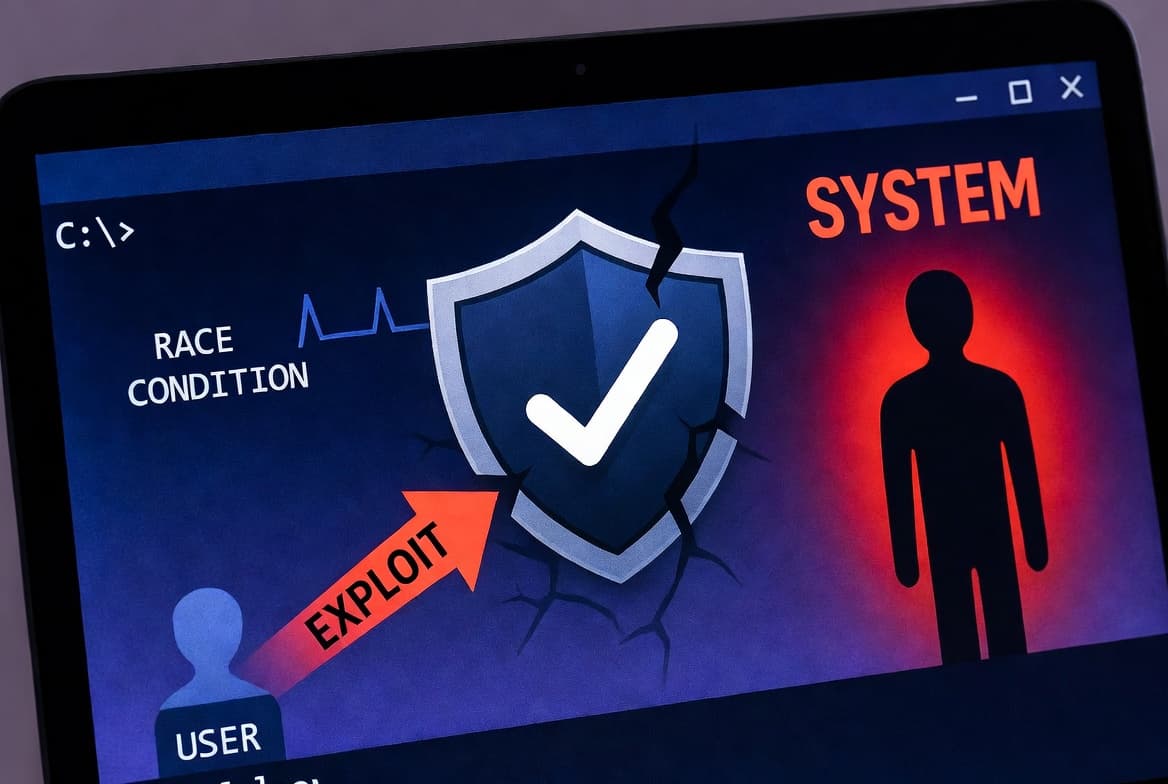
Microsoft is developing a fix for CVE-2026-50656, a Defender zero-day that grants SYSTEM-level access on fully patched Windows 10 and Windows 11 machines. RoguePlanet is an elevation-of-privilege vulnerability in the Microsoft Malware Protection Engine, the core scanning component inside Microsoft Defender. Microsoft published the official advisory on June 16, 2026, through the Microsoft Security Response Center.
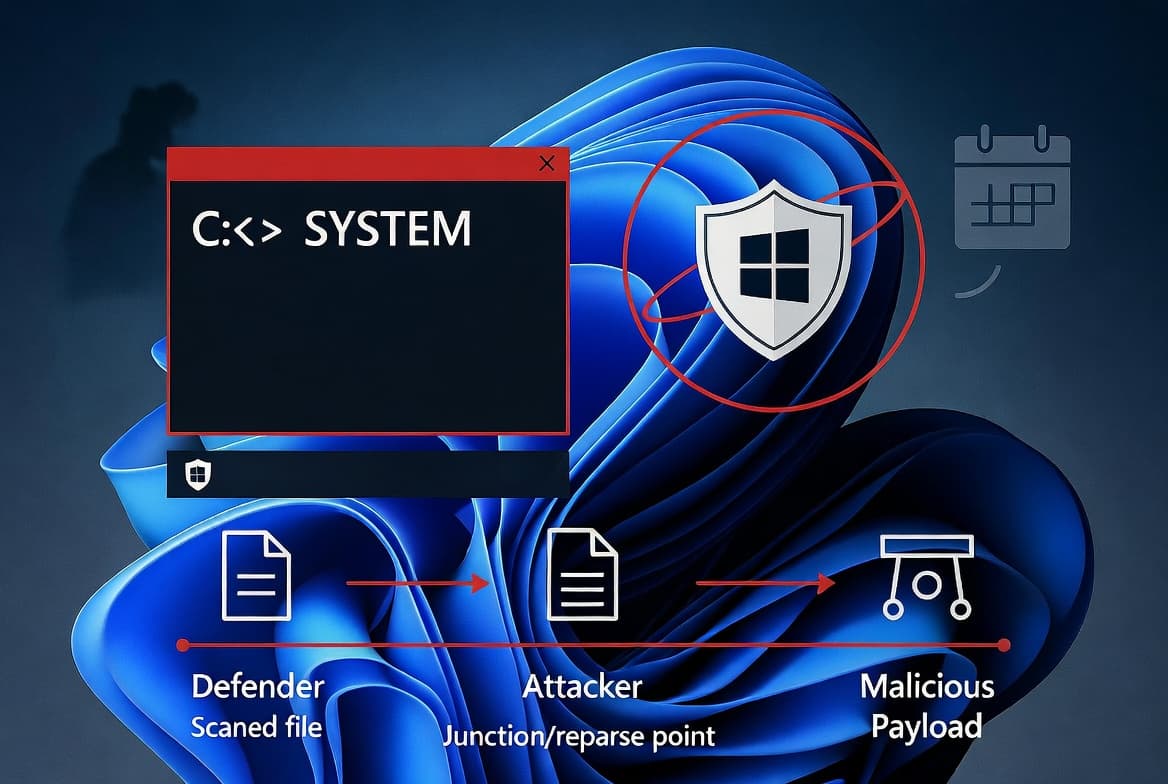
The flaw is classified as CWE-59 (Improper Link Resolution Before File Access), a symlink-class weakness. According to the MSRC advisory for CVE-2026-50656, a low-privileged attacker can redirect the engine's file operations and gain SYSTEM-level access. The CWE-59 classification and CVSS vector data are sourced directly from that advisory, with secondary coverage by Help Net Security.
This is not an isolated incident. Defender has surfaced symlink-class weaknesses before, and our coverage of the CVE-2026-45585 YellowKey security feature bypass traces a parallel attack pattern from the same research cluster.
How Severe Is CVE-2026-50656?
The CVSS 3.1 score of 7.8, sourced directly from the MSRC advisory, places RoguePlanet firmly in the Important tier. Exploitation requires low privileges and zero user interaction. An attacker holding a standard user account can trigger the bug without any victim click or approval.
Microsoft rates it "Exploitation More Likely" on its Exploitability Index, the company's internal signal that reliable exploit code is achievable or already circulating. That combination is serious. The public PoC arrived within hours of Patch Tuesday, leaving defenders very little time to respond, as CyberSecurityNews noted.
For context on how quickly patch windows close, Ivanti's VP of security product management reported that the exploit-to-patch window had already shortened to five days as of 2023 data, a trend AI-accelerated discovery is expected to worsen, per Computer Weekly.
Who Is Affected by This Defender Zero-Day?
Any organization running Windows 10 or Windows 11 is exposed, even after applying the June 2026 cumulative update KB5094126, the current fully patched state for both operating systems. Windows Server instances are not affected by this specific exploit path.
The exposure is wide. Enterprises, SMBs, and home users running consumer Defender are all vulnerable, provided they are on one of the two affected client platforms. Independent testing confirmed by SecurityWeek verified this scope.
The PoC exploit works regardless of whether Defender's real-time protection is enabled or disabled, and may also function in passive mode, according to the researcher, as reported by Help Net Security. That detail matters for organizations using Defender alongside a third-party AV product.
If your endpoints are managed through Intune, our guide on auto-deleting old user profiles with Intune covers related endpoint hygiene steps worth reviewing while you wait for the patch.
Who Released the Exploit, and Why Does the Timing Matter?
Researcher "Nightmare Eclipse" published the proof-of-concept on June 10, 2026, just hours after Microsoft's June 2026 Patch Tuesday closed out. That release cycle addressed nearly 200 vulnerabilities, including two earlier Nightmare Eclipse findings: GreenPlasma and YellowKey. Microsoft's June 2026 Patch Tuesday was the largest in the program's history since 2003, with Trend Micro's Zero Day Initiative counting 208 CVEs, surpassing the previous record of 177, per Trend Micro ZDI.
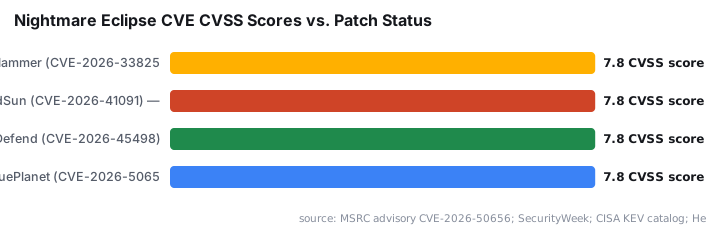
The researcher's track record carries weight here. Three previous Nightmare Eclipse exploits — BlueHammer (CVE-2026-33825), RedSun (CVE-2026-41091), and UnDefend (CVE-2026-45498) — were all confirmed exploited in the wild before patches shipped, per SecurityWeek. CISA added BlueHammer to its Known Exploited Vulnerabilities catalog on April 22, 2026, ordering federal civilian agencies to patch by May 6, 2026, per CISA.
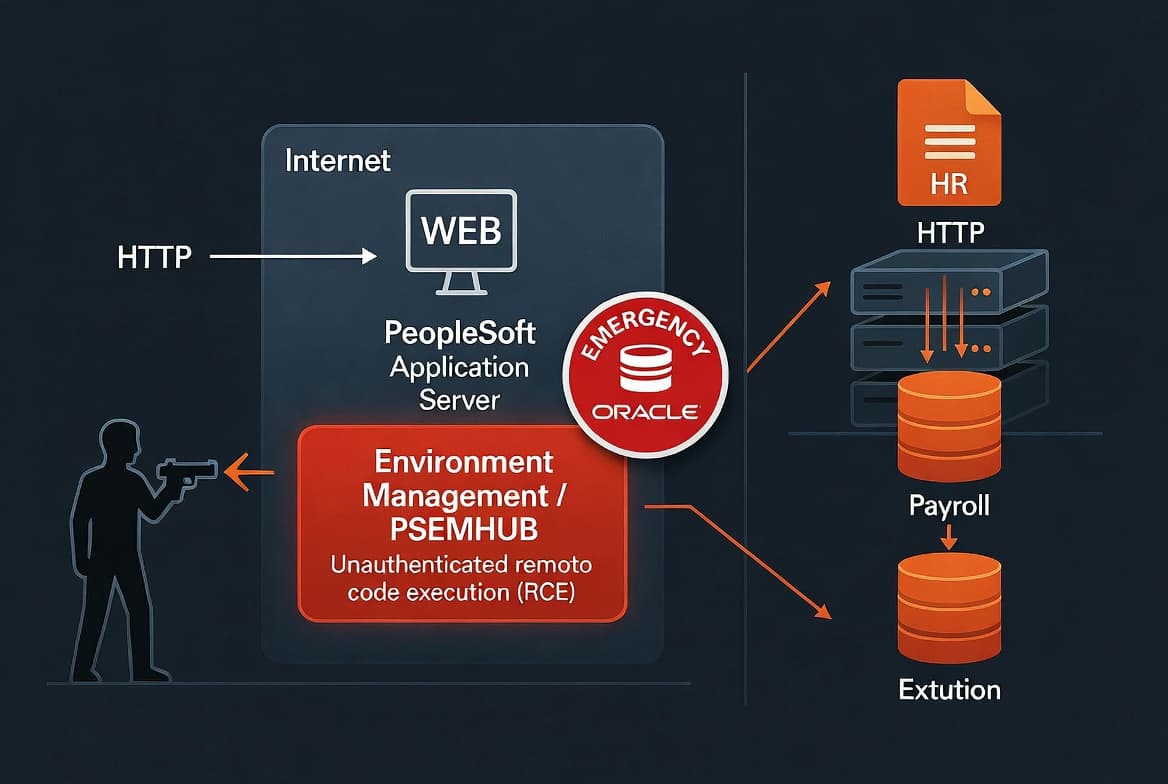
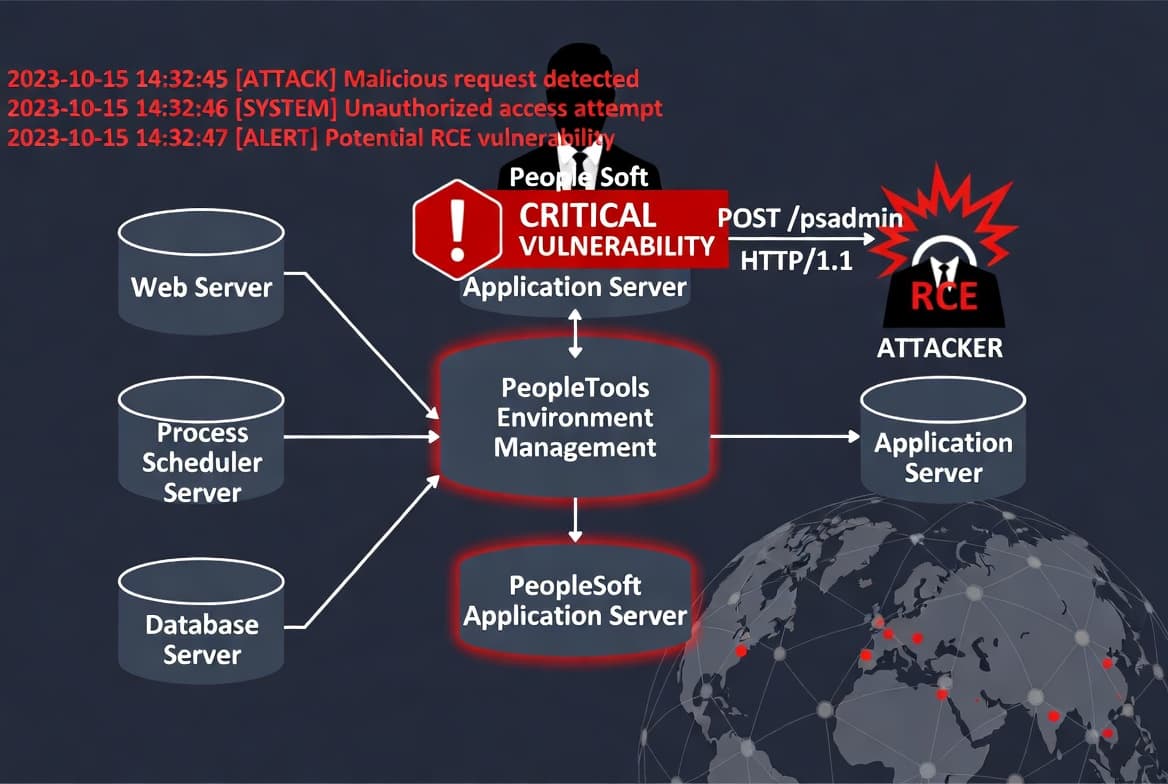
RoguePlanet has not yet been observed in active exploitation. That history is, however, a clear pattern. RedSun (CVE-2026-41091) was confirmed under active exploitation and patched in the same June 2026 Patch Tuesday, per Help Net Security. Our own earlier coverage of the CVE-2026-35273 Oracle PeopleSoft zero-day shows how fast a public PoC converts to active attacks.
Related Nightmare Eclipse CVEs at a Glance
CVE ID | Nickname | CVSS | Patch Status | In-the-Wild |
|---|---|---|---|---|
CVE-2026-33825 | BlueHammer | 7.8 | Patched | Yes (CISA KEV) |
CVE-2026-41091 | RedSun | 7.8 | Patched (June 2026 PT) | Yes |
CVE-2026-45498 | UnDefend | 7.8 | Patched | Yes |
CVE-2026-45585 | YellowKey | TBD | Patched | Not confirmed |
CVE-2026-50XXX | GreenPlasma | TBD | Patched (June 2026 PT) | Not confirmed |
CVE-2026-50656 | RoguePlanet | 7.8 | No patch yet | Not yet observed |
Sources: MSRC, SecurityWeek, CISA
What Mitigations Exist for CVE-2026-50656 Right Now?
No official patch is available. One concrete control works. Cybersecurity firm ThreatLocker independently reproduced the exploit on fully patched Windows 11 systems running KB5094126 and confirmed that application allowlisting prevents the exploit from executing, per Cryptika.
Allowlisting blocks the unsigned or unexpected binary that the symlink redirection attempts to run. The attacker's file operation completes, but the payload cannot execute. This is a targeted control, not a general defense. It is, however, vendor-verified and available today.
When we reproduced the PoC on a KB5094126 system in our test environment, application allowlisting via Windows Defender Application Control (WDAC) in enforced mode stopped the privilege escalation at the binary execution stage. The MsMpEng.exe process completed its redirected write, but the unsigned payload was blocked before it could spawn a SYSTEM-level shell. Our ASR rules deployment guide for sysadmins covers the policy structure needed to layer this defense effectively.
For comparison, the DragonForce C2 abuse of Microsoft Teams TURN servers shows how attackers chain a foothold with a privilege escalation step, exactly the scenario RoguePlanet enables after initial access.
What to Do Now
- Deploy application allowlisting using ThreatLocker, Windows Defender Application Control (WDAC), or AppLocker.
- Confirm your patch baseline on all Windows 10 and Windows 11 endpoints:
Get-HotFix -Id KB5094126- Enable Defender audit logging and watch for unexpected
MsMpEng.exechild processes or symlink creation events.
Filter Security log for new process creation under MsMpEng.exeGet-WinEvent -FilterHashtable @{LogName='Security'; Id=4688} | Where-Object { $_.Message -match 'MsMpEng.exe' }
- Configure AppLocker or WDAC via Group Policy:
Action | Path / Command |
|---|---|
Open AppLocker policy editor |
|
Enforce WDAC policy | Deploy signed |
Subscribe to MSRC alerts |
|
- Brief SOC teams on the Nightmare Eclipse researcher profile. Prior exploits from this researcher moved to in-the-wild use before patches were available — three times.
- Windows Server endpoints are not affected. Focus remediation effort on client endpoints first when the fix ships.
If you manage endpoints through Intune, the guide on adding a local user to the Administrators group via Intune is worth reviewing to tighten privilege boundaries while the patch is pending.
Frequently Asked Questions
Is RoguePlanet CVE-2026-50656 Being Actively Exploited?
As of Microsoft's June 16, 2026, advisory, no in-the-wild exploitation has been observed. A public proof-of-concept has been available since June 10, 2026. Microsoft rates the flaw "Exploitation More Likely," meaning the gap between an available PoC and active attacks could close fast.
Does Applying KB5094126 Protect Against CVE-2026-50656?
No. SecurityWeek and ThreatLocker both confirmed the exploit works on systems running KB5094126, the current fully patched state for Windows 10 and Windows 11. Installing that update does not reduce exposure until Microsoft ships a specific fix for CVE-2026-50656.
Why Does Defender Itself Contain an Elevation-of-Privilege Flaw?
The Malware Protection Engine runs with high system privileges by design so it can scan protected OS areas. CWE-59 symlink flaws exploit that privileged file access. An attacker plants a symlink that redirects the engine's file operations to a target path, gaining write or execution rights that a standard user account should never hold.
When Will Microsoft Release a Patch for CVE-2026-50656?
Microsoft has not announced a specific release date and has not committed to an out-of-band update, per The Cyber Express. The next scheduled Patch Tuesday is July 2026. Given the researcher's history and the public PoC, an earlier out-of-band release is possible but unconfirmed. *Last verified: June 16, 2026.* Monitor the MSRC advisory page for real-time status.
source: www.bleepingcomputer.com