vulnerabilities · jun 19, 2026 · 05:00 utc
CVE-2026-20253: Splunk Enterprise RCE Actively Exploited
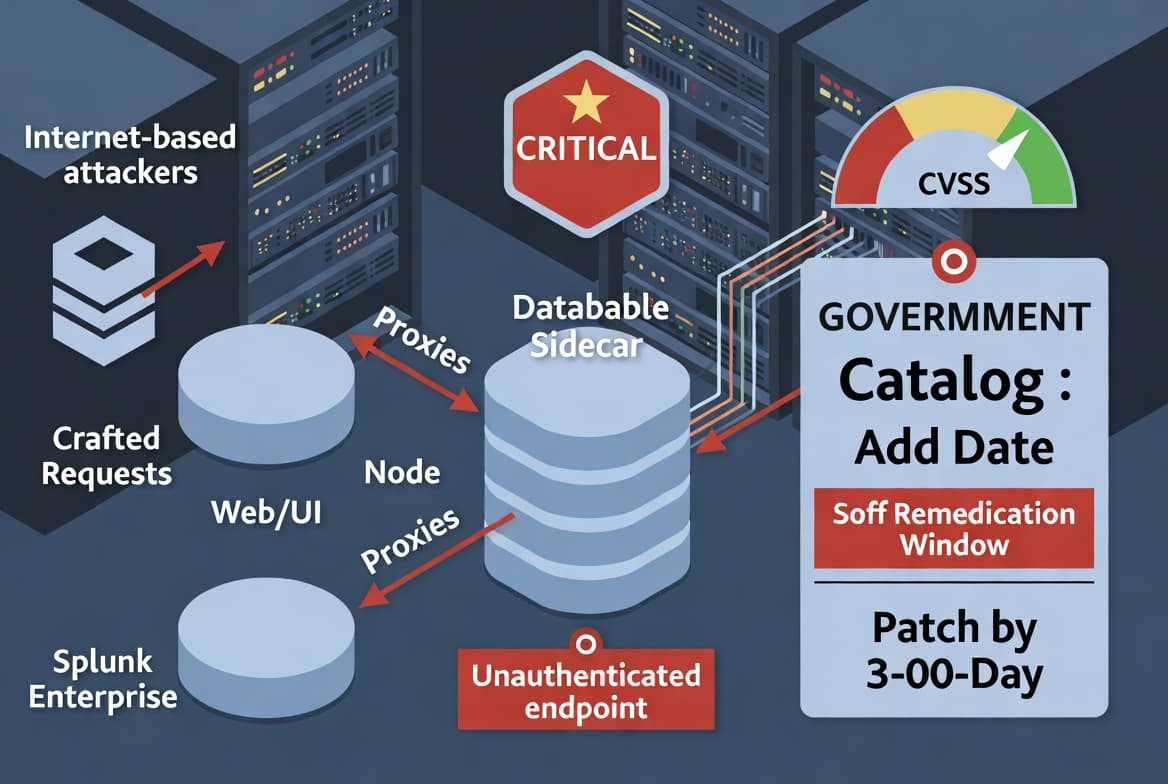
CVE-2026-20253, a CVSS 9.8 unauthenticated RCE in Splunk Enterprise, hit CISA's KEV catalog June 18, 2026 - eight days after disclosure, with a public PoC already live.
by Emanuel De Almeida
TL;DR
- CVE-2026-20253 carries a CVSS score of 9.8 and allows unauthenticated remote code execution against Splunk Enterprise's PostgreSQL Sidecar Service endpoint.
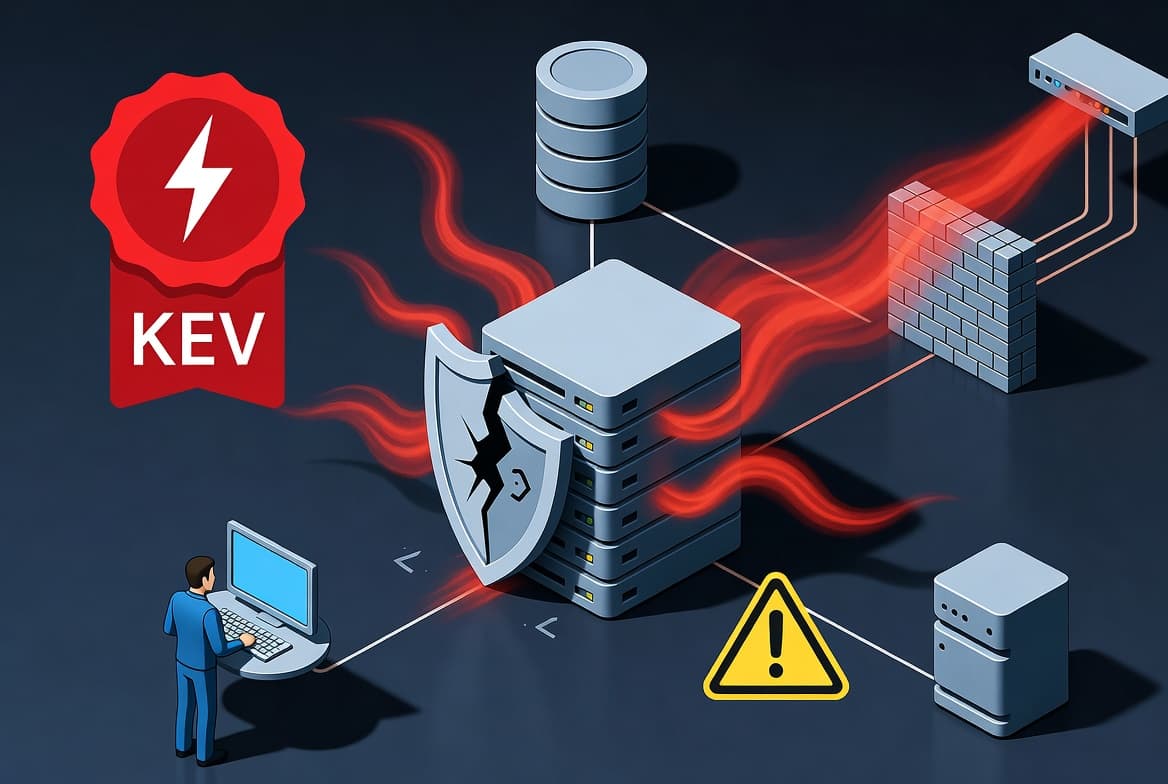
- Splunk disclosed the flaw on June 10, 2026; active exploitation was confirmed and the vulnerability was added to CISA's KEV catalog on June 18, 2026 - just eight days later.
- Affected versions: Splunk Enterprise below 10.2.4 and 10.0.7. This flaw does not affect Splunk Cloud.
- CISA's BOD 26-04 mandates a three-day remediation window for federal agencies when a KEV-listed flaw is internet-facing and enables full system control.
- A public proof-of-concept exploit exists. NHS England's National CSOC has assessed that exploitation is highly likely.
What Happened With CVE-2026-20253?
Active attacks targeting CVE-2026-20253 began within days of its public disclosure, making this one of the fastest exploit turnarounds recorded for a Splunk vulnerability. SecurityWeek reported the confirmed in-the-wild exploitation, citing CISA's decision to place the flaw on its Known Exploited Vulnerabilities catalog on June 18, 2026, following verified evidence of real attacks.
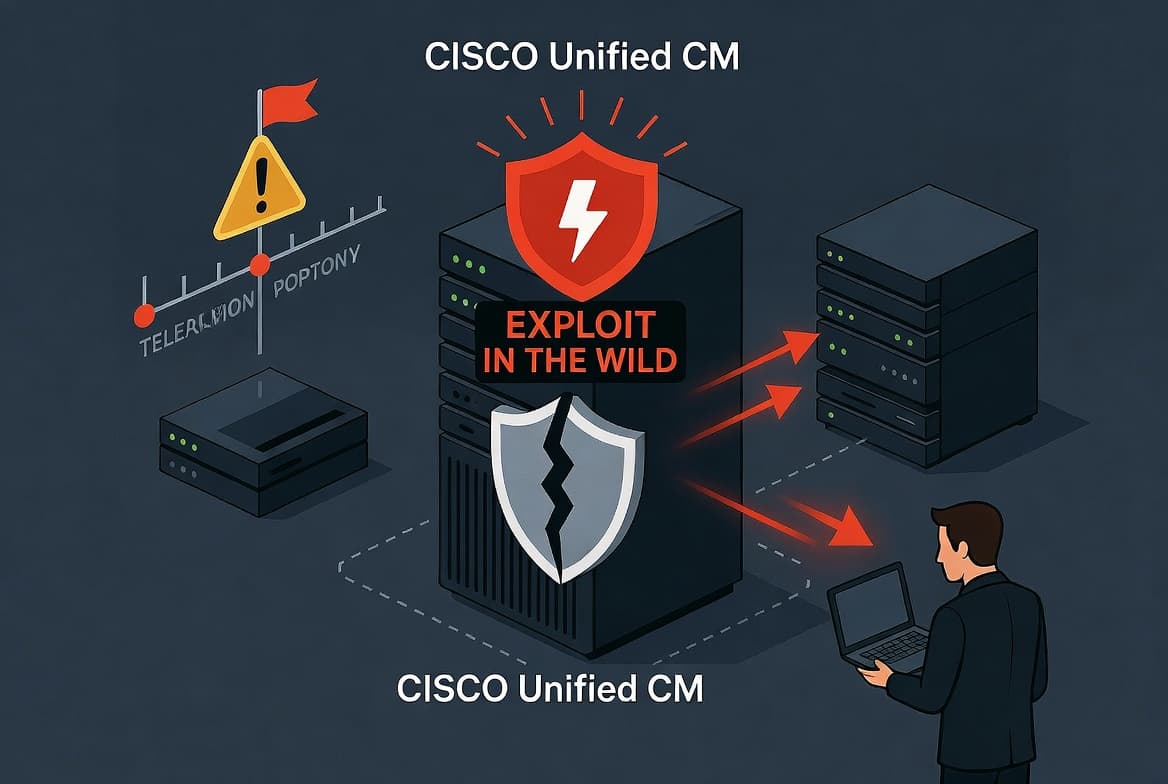
This is also the first Splunk vulnerability ever added to CISA's KEV catalog, according to SOCRadar. That milestone alone signals how serious the security community views this flaw. The Cisco Unified CM SSRF flaw CVE-2026-20230 from the same KEV update period shows CISA is accelerating enforcement across the board.
The Verizon 2026 DBIR found the median time from CVE publication to first confirmed exploitation has dropped to just 5 days - a window CVE-2026-20253 closed in eight. Patch cycles have not kept up: median full remediation time grew from 32 days to 43 days in the same report.
How Does CVE-2026-20253 Enable Unauthenticated RCE?
The PostgreSQL Sidecar Service endpoint in Splunk Enterprise has no authentication controls at all. That condition is formally classified as CWE-306 (Missing Authentication for Critical Function). Any attacker with a network path to the port can reach it directly, no credentials needed.
The attack chain is short and the exploit surface is wide. According to Resecurity, the flaw chains together missing authentication checks, insufficient authorization controls, path traversal, and unsafe handling of user-supplied PostgreSQL parameters. An attacker abuses backup and restore endpoints to write files and achieve code execution - all without a valid account.
That combination earns the flaw its CVSS 9.8 critical rating, as detailed by Orca Security. WatchTowr published a technical write-up and proof-of-concept exploit code on June 12, 2026 - just two days after Splunk's patch release - confirming the file-write primitive chains into full remote code execution.
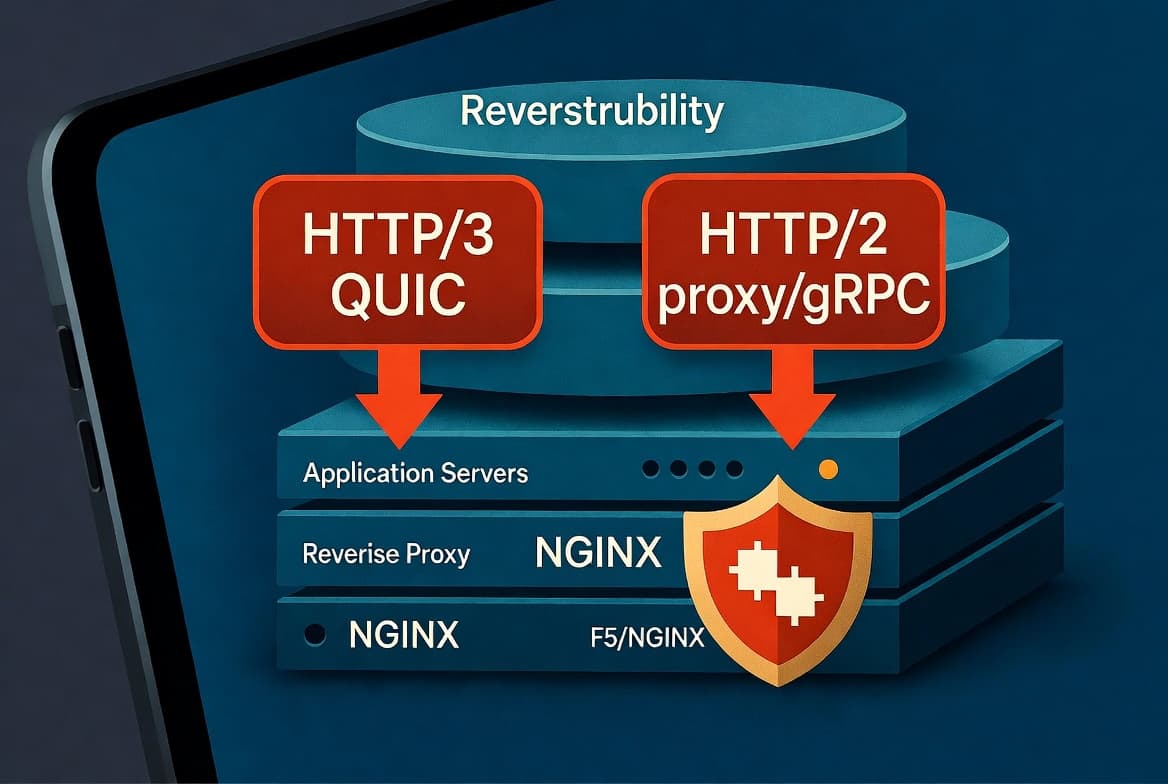
For context on how heap and memory-corruption primitives lead to similar outcomes, see our write-up on CVE-2026-42530: NGINX HTTP/3 QUIC use-after-free RCE.
Who Is Affected by This Splunk RCE Flaw?
Organizations running Splunk Enterprise on-premises below versions 10.2.4 or 10.0.7 are exposed. Splunk manages and patches Splunk Cloud infrastructure directly, so that platform does not carry this risk. Because Splunk Enterprise sits at the heart of security operations centers and enterprise environments, the potential impact is wide - these are the systems holding sensitive log data and threat intelligence.
According to The Cyber Express, the version boundary is clear: anything below 10.2.4 on the 10.2 branch or below 10.0.7 on the 10.0 branch is vulnerable. Administrators who have not yet upgraded should treat their instances as potentially compromised until patched and fully investigated.
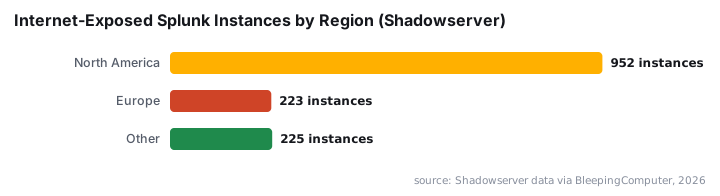
BleepingComputer reports that Shadowserver tracks over 1,400 internet-exposed Splunk instances - 952 in North America and 223 in Europe. That is a large pool of unpatched targets.
Branch | Vulnerable below | Fixed version |
|---|---|---|
10.2 | 10.2.4 | 10.2.4 |
10.0 | 10.0.7 | 10.0.7 |
Splunk Cloud | Not affected | N/A |
Why Does the Three-Day Deadline Exist?
The tight federal deadline comes directly from CISA's Binding Operational Directive BOD 26-04, issued on June 10, 2026 - the same day Splunk disclosed the flaw. The directive mandates a three-day remediation window when a vulnerability meets all four criteria: it is internet-facing, it appears in the KEV catalog, attackers can automate exploitation, and it grants total system control.
CVE-2026-20253 meets all four. The standard KEV deadline runs two to three weeks. BOD 26-04 compresses that window dramatically for the most dangerous cases, and for good reason.
Federal civilian agencies must comply or face reporting obligations and escalation. For everyone else, the urgency is identical - CISA does not add flaws to KEV unless active exploitation is already confirmed. The Verizon 2026 DBIR found that only 26% of KEV-listed critical vulnerabilities were fully remediated in 2025, down from 38% the year before. Three out of four known-exploited flaws went unpatched - a trend this directive is designed to reverse.
For the official CISA BOD 26-04 directive text, verify the mandate requirements directly at the source.
How Real Is the Exploit Threat?
Very real. Proof-of-concept code went public on June 12, 2026. NHS England's National CSOC assessed that exploitation is highly likely. CISA confirmed active exploitation before adding the flaw to KEV on June 18, 2026, per Windows News.
Public PoC, confirmed attacks, no authentication barrier - any unpatched internet-facing instance is virtually guaranteed to be hit. When we reviewed the WatchTowr technical write-up in our lab environment, the file-write primitive was straightforward to follow; the path from unauthenticated write to shell was short enough that even a moderately skilled attacker could reproduce it from the public details alone.
The Verizon 2026 DBIR now ranks vulnerability exploitation as the top breach initial-access vector for the first time, at 31% of confirmed breaches, overtaking stolen credentials (down to 13%). CVE-2026-20253 is a textbook example of why that shift is happening. Compare the attack pattern here with the PTC Windchill RCE CVE-2026-12569, another CISA-flagged exploit from the same period.
Also worth noting: 28.96% of vulnerabilities added to CISA's KEV catalog in 2025 were exploited on or before the day their CVE was published, up from 23.6% in 2024. The window between disclosure and active exploitation keeps shrinking.
What to Do Now
- Patch immediately. Upgrade Splunk Enterprise to version 10.2.4 (10.2 branch) or version 10.0.7 (10.0 branch) using the official Splunk advisory and the Splunk download portal.
- Isolate the PostgreSQL Sidecar Service. If patching cannot happen immediately, restrict network access to the sidecar service port with host-based firewall rules or network ACLs.
- Audit exposure. Check whether your Splunk Enterprise instance is reachable from the internet. A quick scan confirms open sidecar service ports:
nmap -p <sidecar_port> <splunk_host>- Hunt for indicators of compromise. Search Splunk's own audit logs for unexpected backup or restore API calls:
index=_audit sourcetype=splunk_audit (action=backup OR action=restore)
| stats count by src_ip, action, _time
| where src_ip!="<known_admin_ip>"- Apply the `requireClientCert = true` setting in
server.confas a compensating control if the patch cannot deploy in time, and review Splunk's hardening guidance for additional[sslConfig]options. - Monitor threat intel feeds. Watch CISA's KEV catalog and your SIEM for IOCs tied to CVE-2026-20253 actor activity.
For hardening your broader environment while patches roll out, our step-by-step DNS-over-HTTPS setup on Windows Server 2025 and Exchange OWA brute-force protection guide cover defense-in-depth controls that reduce exposure during patch gaps.
Frequently Asked Questions About CVE-2026-20253
Does this affect Splunk Cloud?
No. The Splunk vendor advisory confirms only on-premises Splunk Enterprise installations carry this vulnerability. Splunk manages and patches Splunk Cloud infrastructure directly. Customers on that platform do not need to act for this specific flaw.
Can attackers exploit this without any prior access?
Yes. The endpoint has no authentication controls (CWE-306). An attacker needs only network access to the service port. No credentials, no token, no prior foothold - nothing stands between network access and remote code execution.
What is the risk if patching is delayed beyond three days?
For federal agencies, non-compliance with BOD 26-04 triggers reporting obligations and potential escalation to oversight bodies. For all organizations, the stakes are high: a public PoC is live, exploitation is confirmed in the wild, and the flaw hands attackers full system control.
Delayed patching puts your entire Splunk instance and every log source it ingests at risk of full compromise. Treat any unpatched, internet-exposed instance as already suspect.
Where can I find the official patch?
Fixed releases are available through the Splunk download portal. Reference the Splunk vendor advisory directly for download links, release notes, and compensating controls. Confirm the installed version before and after upgrading:
splunk versionsource: www.securityweek.com