vulnerabilities · jun 27, 2026 · 01:18 utc
Cisco Unified CM SSRF Flaw CVE-2026-20230: Patch by June 28
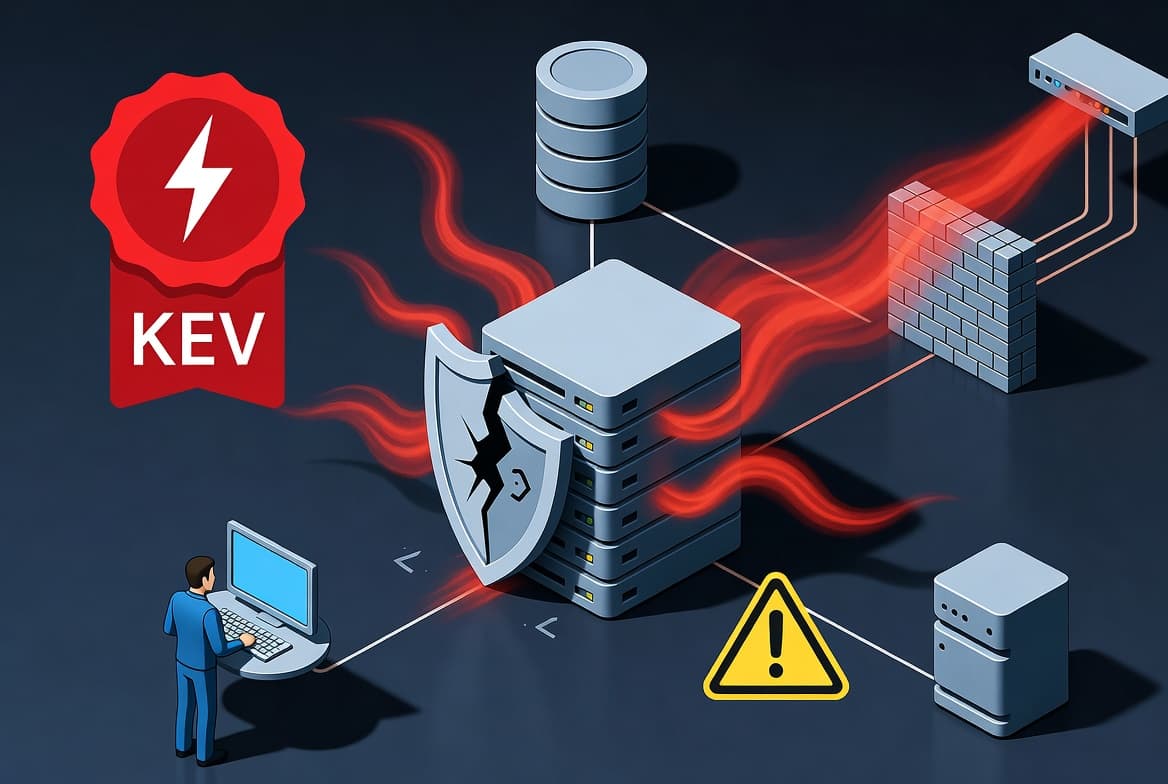
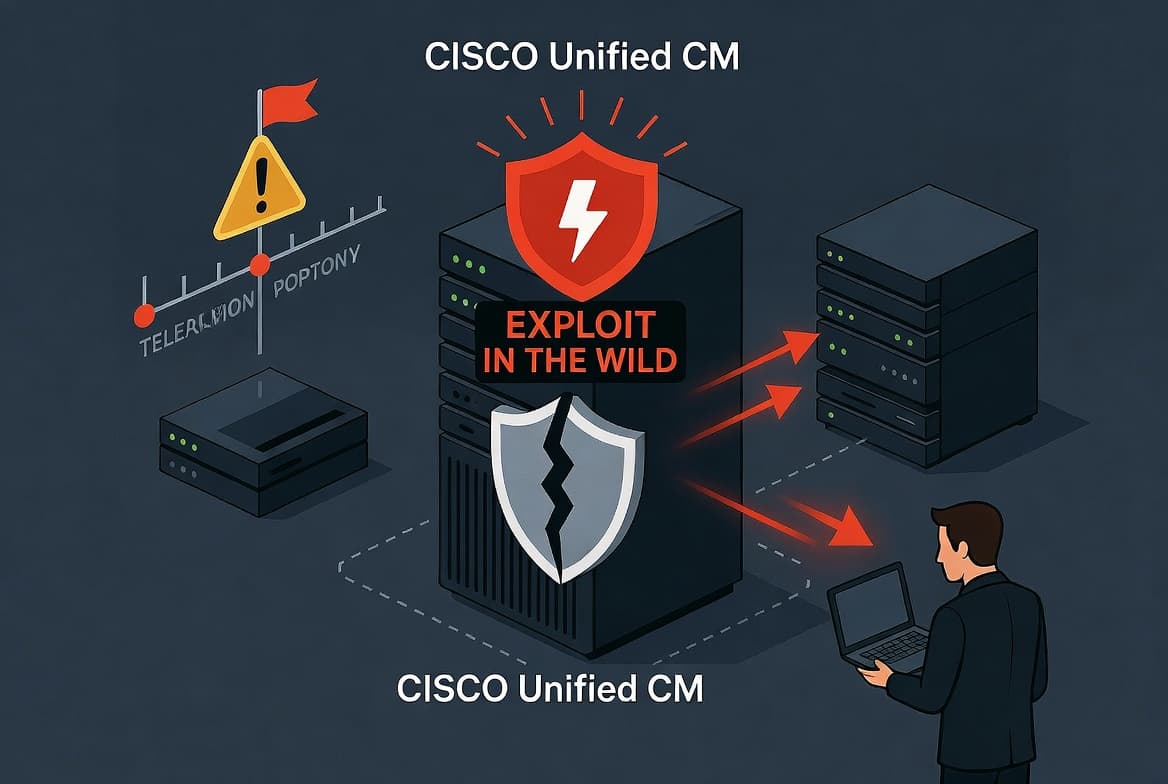
CISA added CVE-2026-20230, a CVSS 8.6 SSRF flaw in Cisco Unified CM, to its KEV catalog June 25, 2026. Federal agencies must patch by June 28, 2026.
by Emanuel De Almeida
TL;DR
- CVE-2026-20230 is a CVSS 8.6 server-side request forgery (SSRF) flaw in Cisco Unified Communications Manager (Unified CM) and Unified CM SME.
- CISA added it to the Known Exploited Vulnerabilities catalog on June 25, 2026, with a federal remediation deadline of June 28, 2026 under BOD 26-04.
- Cisco released the patch on June 3, 2026; the flaw requires no authentication and exploits the WebDialer service via crafted HTTP requests.
- Active attacks began June 21-22, 2026, using
file://payloads to write files onto affected devices. - This is the second Cisco Unified CM vulnerability actively exploited in 2026 - the first was CVE-2026-20045 (CVSS 8.2, RCE, patched February 2026).
What Happened With the Cisco Unified CM SSRF Flaw?
CISA gave federal agencies three days to act. The agency added the Cisco Unified CM SSRF vulnerability CVE-2026-20230 to its Known Exploited Vulnerabilities catalog on June 25, 2026, triggering a mandatory remediation window under Binding Operational Directive (BOD) 26-04. Agencies that miss June 28 are out of compliance. The three-day window reflects confirmed active exploitation, not a theoretical risk.
What Is CVE-2026-20230?
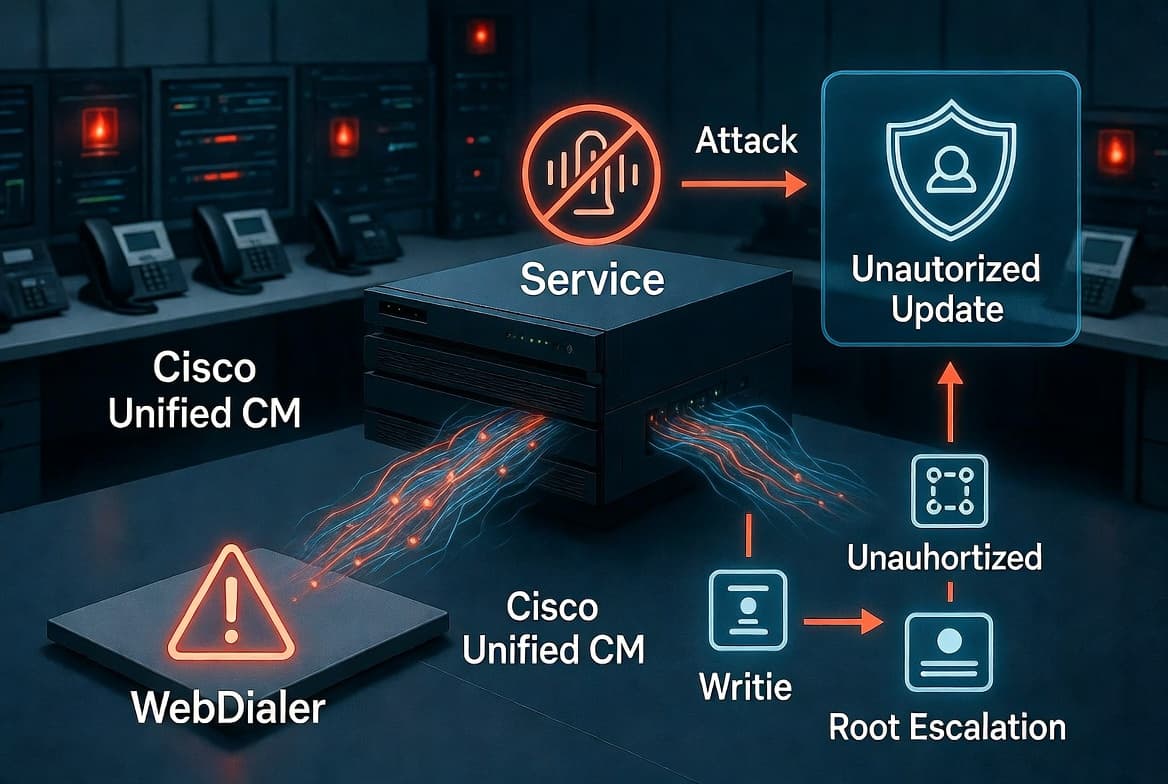
CVE-2026-20230 is a server-side request forgery flaw classified under CWE-918, sitting inside the WebDialer service of Cisco Unified CM and Unified CM SME. Cisco rated it CVSS 3.1 score of 8.6 (HIGH). An unauthenticated remote attacker sends a specially crafted HTTP request to force the server to make outbound connections on the attacker's behalf. No login. No user interaction.
One constraint matters: exploitation only works when the WebDialer service is enabled, and that service ships disabled by default, per SecurityWeek's technical coverage. Organizations that have never enabled WebDialer carry lower immediate risk - but patching is still required.
Cisco's advisory (cisco-sa-cucm-ssrf-cXPnHcW) adds a critical detail: successful exploitation could allow an attacker to write files to the underlying operating system that could later be used to elevate to root, per BleepingComputer. The CVSS score understates the practical end state. Full system compromise is on the table.
Cisco Unified CM serves approximately 30 million users globally, providing IP-based voice, video, conferencing, and collaboration for enterprises, according to Dark Reading. That scale makes any actively exploited flaw in this product a high-priority event across industries.
Who Is Attacking, and How?
Threat intelligence firm Defused first observed active exploitation over the weekend of June 21-22, 2026. Attacks at that stage came from a single IP address. The technique used `file://` payloads designed to write files directly onto affected devices - attackers were chasing local file access, not merely redirecting traffic.
As BleepingComputer reported, Defused noted the campaign used "genuinely-formatted file:// file-write payloads landing on our decoys." CISA has not linked the activity to a specific ransomware group. Single source, targeted payloads - that profile suggests early-stage reconnaissance rather than opportunistic mass scanning. It may not stay that way.
For context on how access brokers convert early-stage footholds into ransomware incidents, see our coverage of the Mistic Backdoor tied to the KongTuke access broker.
Why Does Cisco Unified CM Keep Getting Exploited?
CVE-2026-20230 is the second Cisco Unified CM vulnerability to reach active exploitation in 2026. The first was CVE-2026-20045, a zero-day remote code execution flaw with a CVSS score of 8.2, added to CISA's KEV catalog in January 2026. Federal agencies had until February 11, 2026 to patch it, per SecurityWeek.
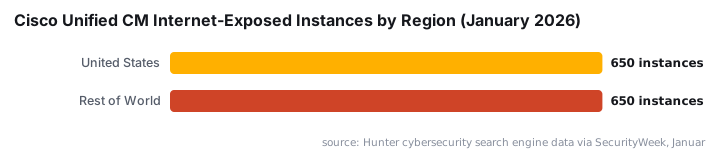
When CVE-2026-20045 was disclosed in January 2026, the Hunter cybersecurity search engine showed roughly 1,300 internet-exposed Unified CM instances, with nearly half located in the United States, per SecurityWeek. Internet-exposed instances give attackers a direct attack path without needing to breach a perimeter first.
CISA's KEV catalog contains approximately 80 Cisco product vulnerabilities confirmed exploited in the wild over the past decade, per SecurityWeek. Two high-severity exploited flaws in the same product family within six months signals that threat actors are actively researching this attack surface. Admins should treat Unified CM as a hardening priority, not a set-and-forget deployment.
The pattern extends beyond Unified CM. CVE-2026-20245, a Cisco SD-WAN flaw disclosed in June 2026, was used as a zero-day by attackers at least two months before Cisco disclosed it publicly, according to Google Mandiant's investigation per SecurityWeek. For more on the SD-WAN exposure area, see CVE-2026-20262: Cisco Catalyst SD-WAN Manager Arbitrary File Write via Path Traversal. Cisco infrastructure broadly is a recurring high-value target.
When we reviewed the KEV catalog entries for Cisco products alongside the February and June 2026 federal deadlines, the compression of the remediation windows stood out - three days for CVE-2026-20230 versus roughly three weeks for CVE-2026-20045. That tightening reflects CISA's escalating confidence in the severity of active exploitation.
CVE-2026-20230 vs CVE-2026-20045: Side-by-Side Comparison
Detail | CVE-2026-20230 | CVE-2026-20045 |
|---|---|---|
Flaw type | SSRF (CWE-918) | Remote code execution |
CVSS 3.1 score | 8.6 (HIGH) | 8.2 (HIGH) |
Authentication required | None | None |
CISA KEV added | June 25, 2026 | January 2026 |
Federal patch deadline | June 28, 2026 | February 11, 2026 |
Cisco patch released | June 3, 2026 | January 2026 |
Exploitation first observed | June 21-22, 2026 | January 2026 |
Practical worst case | Root-level file write | Full code execution |
What to Do Now
Apply Cisco's patch first. The fix shipped June 3, 2026 - nearly three weeks before active exploitation began. Every day of delay on an already-patched flaw is unnecessary exposure.
- Apply Cisco's patch immediately. Obtain the patched release from Cisco's software download portal and apply it to all Unified CM and Unified CM SME instances. Cisco's security advisory page at cisco.com/security/advisories carries the official guidance.
- Check whether WebDialer is enabled. In the Unified CM administration interface, verify the status of the
Cisco WebDialer Web Service. If your organization does not use it, disable it to cut the attack surface. - Block or monitor `file://` in outbound server requests. Review proxy logs and firewall egress rules for anomalous internal server requests using the
file://protocol from Unified CM nodes. - Hunt for indicators from June 21-22. Query your SIEM for HTTP requests to the WebDialer endpoint from external IP addresses during that window. Flag any that returned non-standard responses.
- Confirm CVE-2026-20045 is also patched. Two exploited flaws in one product means unpatched systems may carry compound risk. Verify the January 2026 RCE patch is applied across the same infrastructure.
- Federal agencies must document compliance by June 28, 2026, per BOD 26-04. Maintain patch records and a configuration screenshot confirming WebDialer service state.
For a structured approach to managing Cisco patch cycles across enterprise environments, the CVE-2026-12569: PTC Windchill RCE Exploited, CISA Warns coverage walks through a comparable CISA KEV response workflow. Teams handling Microsoft infrastructure alongside Cisco should also check Renew Exchange Server Auth Certificate: Step-by-Step - certificate and service-state audits often surface during the same hardening pass.
SSRF is not unique to Cisco. The CVE-2026-20253: Critical Splunk RCE Actively Exploited case shows a parallel pattern: unauthenticated access to an enterprise platform component, rapid KEV listing, and tight federal deadlines.
Frequently Asked Questions
Is CVE-2026-20230 dangerous if WebDialer is disabled?
No direct exploitation path exists when WebDialer is disabled. Organizations that have never enabled it face lower immediate risk from this specific flaw. Patching is still strongly advised: service configurations change, and the fix closes the vulnerability regardless of service state.
Does this affect Cisco Unified CM in cloud deployments?
Verified facts cover on-premises Cisco Unified CM and Unified CM SME. Administrators running cloud-hosted or Cisco-managed variants should check Cisco's official advisory (cisco-sa-cucm-ssrf-cXPnHcW) directly to confirm whether their deployment model falls in scope.
What is CISA's Known Exploited Vulnerabilities catalog?
The KEV catalog is CISA's list of vulnerabilities confirmed actively exploited in the wild. Under BOD 26-04, Federal Civilian Executive Branch agencies must remediate KEV entries by the stated deadline. Private-sector organizations should treat KEV entries as high-priority patching targets even without a legal mandate.
What were the file:// payloads actually doing?
Defused observed attackers sending SSRF payloads using the file:// URI scheme, which instructs the server to read or write local files rather than make network requests. The goal appeared to be local file access or persistence on affected Unified CM devices. Full scope of those early attacks remains unconfirmed.
Why was the patch deadline only three days after the KEV listing?
CISA sets remediation windows based on confirmed exploitation activity and assessed severity. The gap between Cisco's June 3 patch release and the June 25 KEV listing means federal agencies had the fix available for three weeks before the deadline was set - the three-day window is tight by design, not by accident.
source: www.bleepingcomputer.com