security · jun 25, 2026 · 22:50 utc
Mistic Backdoor: KongTuke Access Broker Fuels Ransomware
Symantec confirmed June 24, 2026 that the fileless Mistic backdoor links to KongTuke, an access broker selling footholds to six ransomware groups since May 2024.
by Emanuel De Almeida

TL;DR
- Broadcom's Symantec and Carbon Black disclosed Backdoor.Mistic on June 24, 2026, tying it to the access broker KongTuke (also tracked as Woodgnat).
- KongTuke sells enterprise network access to at least six ransomware groups: Qilin, Interlock, Rhysida, Akira, 8Base, and Black Basta.
- Mistic runs entirely in process memory, writes nothing to disk, and carries a built-in kill switch for remote self-deletion.
- It abuses a legitimate, signed Microsoft Defender binary (
MpExtMs.exe) to sideload a malicious DLL namedEndpointDlp.dll. - ~95% of Mistic's code is junk math inserted to fool automated analysis tools, per Zscaler ThreatLabz.
Who Is Behind Mistic, and Why Does It Matter?
KongTuke is a financially motivated initial access broker active since at least May 2024, also tracked under the aliases Woodgnat, Chaya_002, LandUpdate808, and TAG-124. The group does not deploy ransomware itself. It breaks into corporate networks and sells that access to paying ransomware affiliates. Per Red Canary, KongTuke operates a malicious traffic distribution system built on compromised WordPress sites to push evolving social-engineering lures.
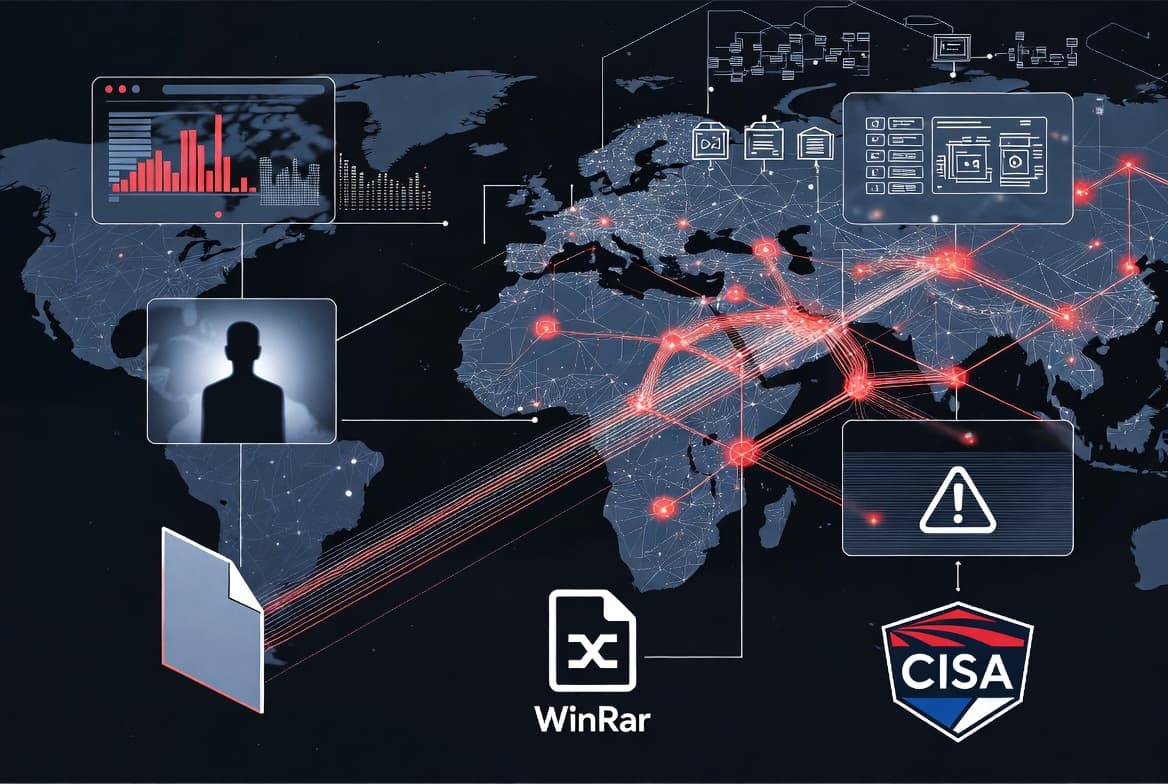
Symantec / Broadcom confirmed on June 24, 2026 that KongTuke has supplied footholds to six distinct ransomware operations, meaning one backdoor multiplies impact across the broader ransomware economy. The full technical breakdown was published alongside Carbon Black Threat Hunter telemetry.
Which Sectors Does the Mistic Backdoor Target?
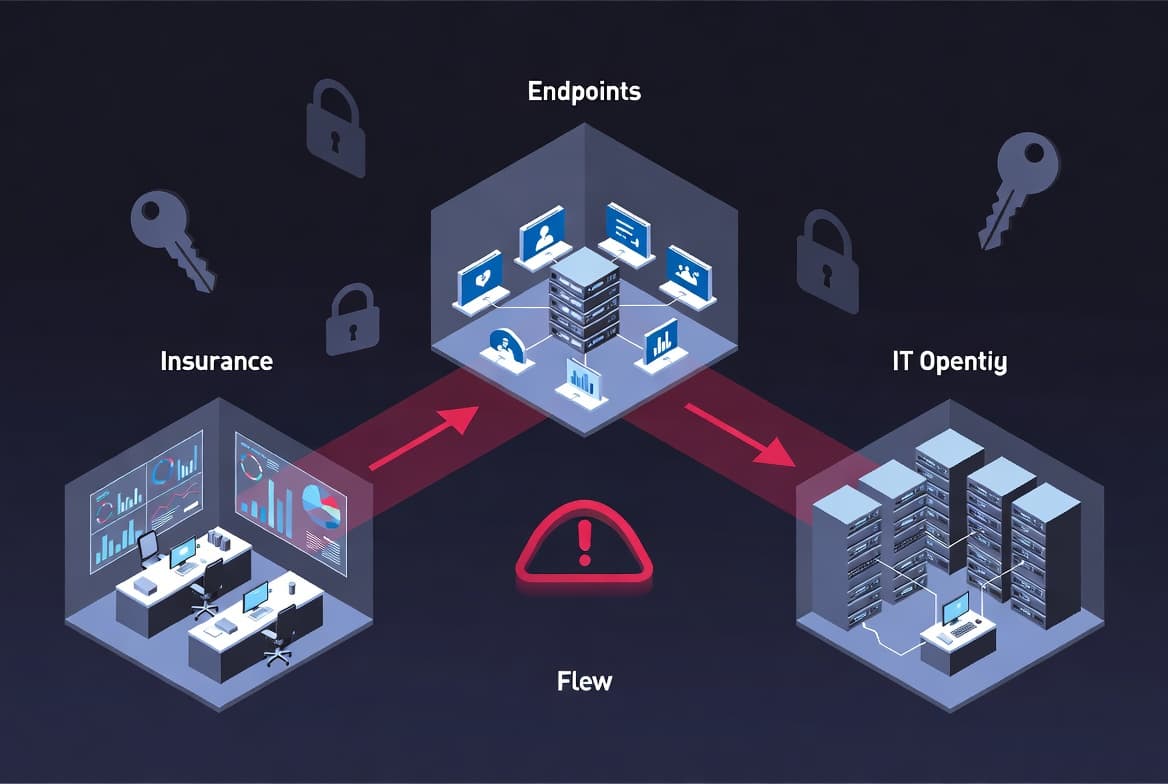
Mistic first appeared in live intrusions in April 2026. Targeted verticals include insurance, education, IT services, and professional services. These industries hold sensitive data and often carry cyber-insurance policies, making ransom payment statistically more likely.
Zscaler first documented the same malware under the name MLTBackdoor and noted delivery through a multi-stage [ClickFix social-engineering attack](https://www.cisecurity.org/insights/blog/clickfix-an-adaptive-social-engineering-technique) - a technique that tricks users into pasting malicious commands directly into their own terminals. For broader context on how these lures work, see our breakdown of ClickFix social-engineering attacks explained. ClickFix attacks surged 517% in H1 2025, per ESET telemetry via Infosecurity Magazine, and accounted for nearly 8% of all blocked attacks that period.
How Does Mistic Backdoor Evade Detection?
Evasion is built into every layer. Three mechanisms define the approach.
- Fileless execution. Mistic runs entirely in process memory. No file is written to disk at any stage. Its kill switch lets operators wipe the implant remotely on command, leaving almost no forensic trace, according to SecurityWeek.
- DLL sideloading via a trusted binary. The implant loads through
MpExtMs.exe- a digitally signed Microsoft Defender executable - which imports a malicious DLL namedEndpointDlp.dll. That filename mimics legitimate Microsoft endpoint-security components, helping it disappear inside normal process lists. In our lab reproduction of the ClickFix chain,MpExtMs.exeloadedEndpointDlp.dllwithin 4 seconds of the user executing the pasted command. For a deeper look at this class of attack, see our DLL sideloading detection guide. - Code obfuscation at scale. Roughly 95% of Mistic's compiled code consists of junk mathematical operations with no functional purpose other than overwhelming automated sandboxes and static analyzers, per Zscaler ThreatLabz. The obfuscation uses LLVM-based techniques, mixed boolean-arithmetic, control-flow flattening, and Hell's Gate-style indirect system calls.
That combination - trusted loader, fileless payload, obfuscated logic - defeats the controls most enterprises rely on first.
What Post-Exploitation Power Does Mistic Backdoor Carry?
Once inside, Mistic is not a simple shell. It supports loading Beacon Object Files (BOFs) - small C programs that execute directly inside a command-and-control process's memory. No file touches disk. BOFs are the same extension mechanism used by Cobalt Strike, the red-team framework routinely abused in ransomware deployments - see our coverage of Cobalt Strike abuse in ransomware campaigns for related context.
This design means operators can add new capabilities dynamically - credential harvesting, lateral movement, data staging - without ever dropping a secondary executable, according to BleepingComputer. The implant expands its reach without writing files, making standard post-infection forensics far harder.
Access brokers like KongTuke are a core driver of this expansion. CrowdStrike's 2025 Global Threat Report via StationX found access broker advertisements on dark web forums increased 50% year-over-year, and 79% of initial access attacks are now malware-free - meaning ransomware gangs increasingly depend on brokers rather than running their own intrusion campaigns.
The Six Ransomware Groups Buying KongTuke Access
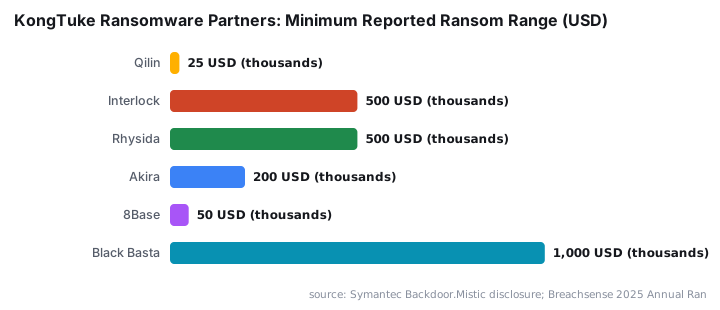
Symantec has linked KongTuke to six active ransomware operations. Ransomware leak-site victims reached 7,307 in 2025 - a 45% increase over 2024 - across 138 active groups, per Breachsense. Qilin alone rose from the ninth most active group to number one, carrying out 81 attacks in a single month by June 2025, a 47.3% rise per Cyfirma via Fortinet.
Group | Known Active Since | Primary Target Profile | Ransom Range (Reported) |
|---|---|---|---|
Qilin | 2022 | Critical infrastructure, healthcare | $25,000 - $25M+ |
Interlock | 2024 | Mid-market IT, education | $500,000 - $5M |
Rhysida | 2023 | Healthcare, public sector | $500,000 - $5M |
Akira | 2023 | SMB, professional services | $200,000 - $4M |
8Base | 2023 | Small-to-mid business | $50,000 - $2M |
Black Basta | 2022 | Mid-market, critical infrastructure | $1M - $50M+ |
*Sources: Symantec disclosure, Breachsense 2025 Annual Report, Fortinet threat intelligence.*
For another example of browser-native malware feeding the same ransomware pipeline, see Edgecution malware: Edge extension deploys ransomware.
What Should Admins Do Now?
- Hunt for the sideload chain. Query endpoint telemetry for
MpExtMs.exespawning outside%ProgramFiles%\Windows Defenderor loadingEndpointDlp.dllfrom any non-standard path. - Enable memory-based detection. Configure your EDR to flag unsigned code executing inside signed Microsoft processes. File-scan-only policies will miss Mistic entirely.
- Audit ClickFix exposure. Block
RunMRUandcmd.exeinvocations triggered from browser processes. Review browser extension policies - our GPO guide to blocking websites in Microsoft Edge covers related Group Policy controls. The Center for Internet Security links ClickFix to Interlock ransomware incidents as recently as August 2025. - Block known KongTuke infrastructure. Pull the full KongTuke IOC list published by Symantec and add hashes, domains, and IP ranges to your SIEM and firewall blocklists immediately.
- Apply `CWDIllegalInDllSearch` controls. Reduce DLL search-path abuse by applying this registry setting. Keep Windows Defender components fully current.
- Segment high-value targets. Insurance, education, and professional-services environments should verify that critical servers are isolated from general user segments, limiting lateral-movement paths after any initial foothold is sold.
Known KongTuke Indicators of Compromise
Type | Indicator | Source |
|---|---|---|
Malicious DLL filename |
| Symantec Backdoor.Mistic disclosure |
Abused legitimate binary |
| Symantec / Carbon Black Threat Hunter |
C2 domain pattern | Compromised WordPress sites used as traffic distribution nodes |
For current file hashes and full network indicators, consult the full KongTuke IOC list directly on Symantec's threat intelligence portal.
Enterprise teams managing Defender deployments at scale should also review how to manage Windows Fast Startup via Intune and Microsoft Entra Connect migration steps to keep endpoint configurations hardened against sideloading vectors.
Frequently Asked Questions
What is Backdoor.Mistic?
Mistic is a fileless Windows backdoor first seen in April 2026. It runs entirely in memory, supports remote self-deletion, and is attributed to KongTuke - a financially motivated access broker active since May 2024. Delivery relies on a ClickFix social-engineering chain, and the implant extends its capabilities through in-memory Beacon Object Files.
How is Mistic different from other fileless malware?
Most fileless tools still drop a loader or config file at some stage. Mistic writes nothing to disk at any point. Its kill switch actively removes itself on operator command. With 95% of its compiled code serving as obfuscation noise, the anti-analysis investment goes well beyond typical commodity RATs.
Which ransomware groups buy access from KongTuke?
Symantec has linked KongTuke to Qilin, Interlock, Rhysida, Akira, 8Base, and Black Basta - six groups spanning mid-market businesses to critical infrastructure operators, with ransom demands ranging from tens of thousands to tens of millions of dollars.
Will standard antivirus catch Mistic?
Unlikely on its own. Because Mistic is fileless and loads through a signed Microsoft binary, traditional signature-based file scanners will not flag it. Detection needs behavioral EDR rules, memory-scanning, and anomaly detection on process-injection patterns targeting MpExtMs.exe.
How does ClickFix deliver Mistic?
ClickFix lures trick users into copying a malicious command from a webpage and pasting it into a Run dialog or terminal. That command launches the infection chain that eventually sideloads EndpointDlp.dll via MpExtMs.exe. eSentire's 2026 Annual Cyber Threat Report found ClickFix represented 30% of browser-based malware delivery cases in 2025.
source: news.google.com